




Why Houston's Soil pH Is Silently Killing Your Lawn — And What to Do About It
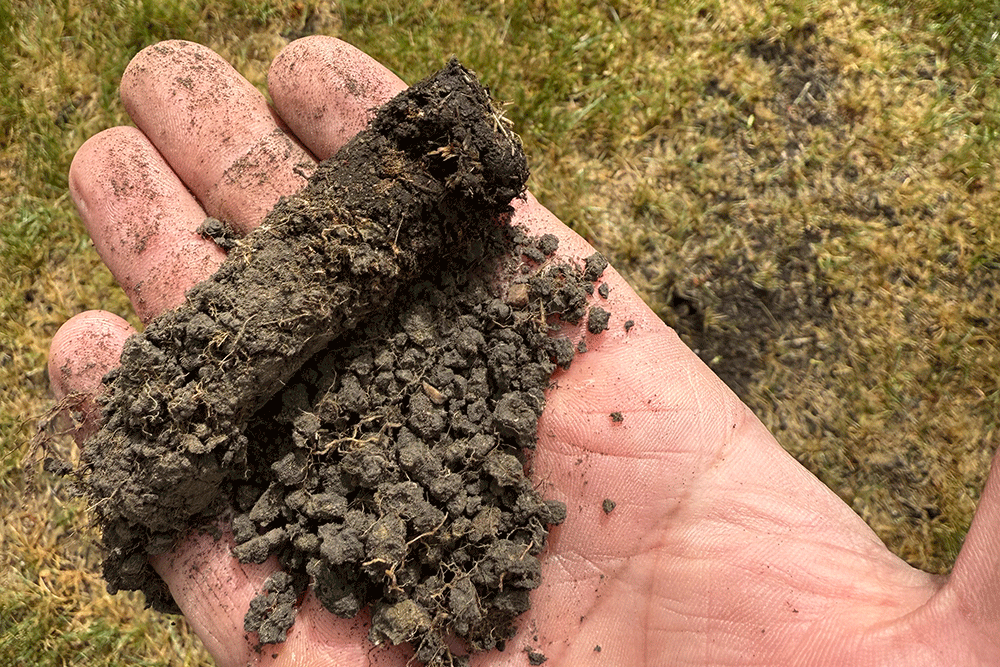
If your grass looks yellow, your plants are struggling despite regular watering, and you've tried fertilizer after fertilizer with no real results — Houston's soil pH is almost certainly the problem. And it's one most homeowners never think to check.
Houston sits in one of the most challenging soil environments in the country. The region's native soil is dominated by heavy clay with a naturally alkaline pH that typically ranges between 7.5 and 8.2. Most lawns, ornamental plants, and landscaping plants thrive at a pH between 6.0 and 7.0. That gap — invisible to the naked eye — is quietly working against everything you plant.
At Gulf Reserve Landscape & Pools, we see this every week across Houston properties from River Oaks to Katy to Sugar Land. Understanding your Houston soil pH isn't optional if you want a lawn and landscape that actually performs. Here's what you need to know.
What Is Soil pH and Why Does It Matter in Houston?
Soil pH measures how acidic or alkaline your soil is on a scale of 0 to 14. A pH of 7.0 is neutral. Anything below is acidic; anything above is alkaline. In Houston, the majority of residential soil tests come back between 7.5 and 8.2 — meaning the soil is moderately to strongly alkaline.
pH matters because it controls nutrient availability. Even if your soil contains nutrients like iron, manganese, and zinc, an alkaline pH locks them up in a form that plant roots cannot absorb. This is why Houston homeowners often see iron chlorosis — that telltale yellowing between the leaf veins — even on lawns that have been fertilized multiple times. The iron is there. The soil pH is preventing the grass from using it.
The core issue with Houston's clay soil is twofold: high alkalinity and poor drainage. Clay holds moisture well but drains slowly, which keeps the soil saturated after Houston's frequent heavy rains. Saturated alkaline soil accelerates nutrient lockout and creates conditions where root systems suffocate. If you've ever wondered why your lawn looks worse after a big storm, this is often the reason.
Houston's Soil pH by Area — It's Not Uniform
Houston soil pH is not consistent across the metro. Several factors affect what your specific property is working with.
Inner Loop neighborhoods like River Oaks, Montrose, and the Heights sit on heavy black clay known as the Houston Black clay series. pH readings here typically fall between 7.6 and 8.1. These areas are especially prone to cracking during dry spells and severe drainage issues during wet periods.
West Houston and Memorial sit on a similar clay base with some mixed loam zones, with pH ranging from 7.4 to 8.0. Readings tend to be more variable depending on proximity to the bayous.
Katy and Sugar Land suburbs present a unique challenge. Many of these properties were developed on fill dirt placed over native clay. Builder-grade topsoil is often thin and inconsistent, and pH can read anywhere from 7.8 to 8.5 in newer developments — sometimes higher.
The Woodlands and North Houston feature sandier soils in certain zones, with slightly lower pH readings between 6.8 and 7.5. However, clay presence and alkalinity increase significantly as you move closer to the city core.
Before any soil amendment program, a proper soil test is essential. A test through the Texas A&M AgriLife Extension lab will give you your actual pH, nutrient profile, and organic matter content — all specific to your Houston property.
Which Grasses and Plants Struggle Most With Houston Soil pH?
St. Augustine grass, the most popular lawn grass in Houston, has an ideal pH range of 6.0 to 7.0. At Houston's native 7.5 to 8.2, it struggles significantly. Iron deficiency becomes severe, and the lawn takes on a persistently yellow-green color no matter how much you water or fertilize.
Bermuda grass performs best between 6.0 and 6.5. Like St. Augustine, it needs soil amendment to thrive in Houston's alkaline conditions.
Zoysia grass shares a similar ideal range of 6.0 to 6.5 and faces the same pH challenges in Houston's native soil.
Knock Out roses, one of the most popular landscape plants in Houston, prefer a pH of 6.0 to 6.5. In unamended Houston soil, they tend to bloom sparsely and show persistent leaf yellowing.
Chinkapin oak, a native Texas tree, tolerates a wider range of 6.5 to 7.5 and is one of the better-matched trees for Houston soil conditions without heavy amendment.
Asian jasmine, a common Houston groundcover, is marginal at Houston's upper pH range and benefits from regular monitoring and light acidification.
How to Lower Soil pH in Houston — What Actually Works
Correcting Houston soil pH is not a one-time application. Given the volume of alkaline clay most Houston properties are dealing with, it is an ongoing management program. Here are the methods that produce real results in Houston's specific conditions.
Sulfur applications are the most effective long-term pH reducer for Houston lawns. As soil bacteria break down elemental sulfur, it produces sulfuric acid that neutralizes alkalinity. In Houston's clay, the standard recommendation is 10 to 15 pounds of elemental sulfur per 1,000 square feet to drop pH by approximately one full unit. The catch is that clay soil responds slowly — expect 6 to 12 months for meaningful change. Split your applications across the growing season rather than applying all at once.
Acidifying fertilizers like ammonium sulfate and sulfur-coated urea are the fertilizer choices that actually support pH management in Houston soil. They provide nitrogen while contributing to mild acidification. Avoid calcium nitrate and sodium nitrate entirely — both push pH higher, which is the last thing Houston soil needs.
Chelated iron applications are a critical short-term fix for iron chlorosis in alkaline Houston soil. Unlike standard iron sulfate, chelated iron remains available at high pH values and gives grass and plants the iron they need while longer-term pH correction work is underway. EDTA or EDDHA chelated iron applied as a foliar spray or soil drench delivers visible improvement within 2 to 3 weeks on most Houston lawns.
Organic matter incorporation — compost, aged pine bark fines, and sphagnum peat moss — contributes to mild acidification while dramatically improving Houston's clay soil structure. These materials improve drainage, increase microbial activity, and buffer pH swings over time. For new landscaping or sod installation, incorporating 3 to 4 inches of quality compost into the top 6 inches of Houston clay before planting is one of the highest-return soil investments a Houston homeowner can make.
What Doesn't Work — Common Mistakes Houston Homeowners Make
Some of the most common soil fixes sold at big-box stores are either neutral or outright counterproductive in Houston's alkaline clay environment.
Lime applications raise pH. Lime is the correct treatment for acidic soils found in the Southeast or Pacific Northwest. In Houston, applying lime to already alkaline soil makes the problem significantly worse — yet bags of lime sit prominently on shelves at every home improvement store in the city.
Standard balanced fertilizers like 10-10-10 or 15-5-10 are pH neutral or slightly alkaline. In Houston soil, they provide a temporary nutrient boost but do nothing to address the underlying pH lockout that limits absorption. Houston homeowners often spend years reapplying them and wondering why nothing improves.
Gypsum improves clay structure and provides calcium and sulfur, but it does not meaningfully change soil pH. It is a useful tool for addressing Houston clay drainage but should never be used as a pH corrector.
Watering more is one of the most common responses to yellowing lawns in Houston. Yellowing from iron chlorosis is frequently misread as drought stress. In already saturated Houston clay, increased watering compounds drainage problems without touching the pH cause.
Soil pH and Hardscaping — The Connection Most Houston Homeowners Miss
Houston soil pH doesn't just affect your lawn. It directly impacts how long your hardscape lasts. Houston's expansive clay shifts as it wets and dries — this shrink-swell cycle is the leading cause of cracked driveways, shifting patios, and failed retaining walls across the city.
Proper soil amendment before any concrete or stone installation reduces ground movement significantly, which is why professional hardscape contractors in Houston evaluate and address subgrade conditions before a single bag of concrete is mixed. At Gulf Reserve, subgrade evaluation is a standard step in every concrete and stone project — not an afterthought. The difference between a patio that lasts 20 years and one that cracks in 18 months often comes down to what happened to the soil underneath before the work began.
Getting a Soil Test in Houston
The Texas A&M AgriLife Extension soil testing lab offers comprehensive tests for a modest fee. Results include pH, nutrient levels, organic matter percentage, and amendment recommendations calibrated specifically for Texas soil types. For Houston-area homeowners, requesting the lawn and ornamental panel is the right starting point.
For larger properties or commercial landscapes, a licensed soil scientist can conduct on-site sampling across multiple zones of your property — particularly valuable on Houston lots where pH and drainage characteristics can vary significantly from the front yard to the back.

If your lawn is yellowing, your plants are underperforming, or you're planning a landscape project and want it done right the first time, our team is ready to walk your property and give you a clear, honest assessment.
Request your free estimate at gulfresevelandscaping.com — and let's build something that lasts.


