




St. Augustine, Bermuda, or Zoysia — Which Sod Is Actually Right for Your Houston Lawn?
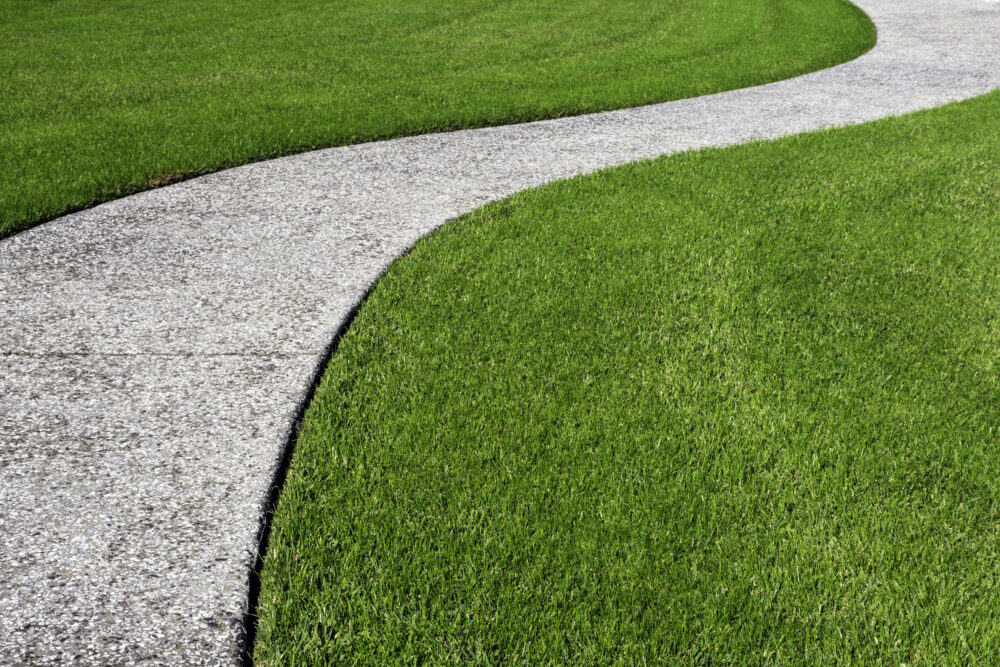
Walk through any Houston neighborhood and you'll notice the lawns that look genuinely great — thick, green, and holding up through summer — and the ones that look like they're just surviving. The difference rarely comes down to how much a homeowner waters or fertilizes. It almost always comes down to whether the right grass variety was chosen for Houston's specific climate, soil, and conditions in the first place.
Houston sits in USDA Hardiness Zone 9a, with average summer temperatures pushing well past 90 degrees Fahrenheit, heat index values regularly exceeding 105, humidity that rarely drops below uncomfortable, and annual rainfall averaging 50 inches — much of it arriving in heavy events that saturate Houston's clay soil and then disappear for weeks at a time. Choosing sod for a Houston lawn means choosing a grass that can handle all of that simultaneously.
At Gulf Reserve Landscape & Pools, sod installation is one of our most requested services across Houston and the surrounding suburbs. Here is an honest comparison of the three dominant sod varieties for Houston lawns — what each one does well, where each one struggles, and which situations call for which grass.
St. Augustine Grass — Houston's Most Popular Sod and Why
St. Augustine is the dominant lawn grass across Houston for good reason. It is a warm-season grass that genuinely thrives in Houston's heat and humidity, produces a thick, dense turf that crowds out weeds, and — critically — tolerates shade better than any other warm-season grass option available to Houston homeowners. In Houston's Inner Loop neighborhoods where large live oaks, cedar elms, and pecan trees canopy over properties, shade tolerance is often the deciding factor.
St. Augustine establishes quickly from sod, spreads aggressively via above-ground stolons to fill in gaps and bare areas, and produces a lush, coarse-bladed turf that holds up well to moderate foot traffic. It is visually the most impressive grass on a well-maintained Houston property — the kind of thick, dark green lawn that defines curb appeal in River Oaks, Memorial, and the Heights.
The most important thing Houston homeowners need to understand about St. Augustine is that it requires pH-corrected soil to perform at its best. St. Augustine's ideal pH range is 6.0 to 7.0. Houston's native clay soil sits at 7.5 to 8.2. Without soil amendment before installation, iron chlorosis — the yellowing caused by the grass being unable to absorb iron from alkaline soil — becomes a persistent, frustrating problem. Many Houston homeowners spend years fighting yellow St. Augustine without realizing the soil pH is the root cause.
St. Augustine also has meaningful water requirements. It does not tolerate extended drought as well as Bermuda and will go dormant or thin out significantly if Houston goes through a prolonged dry stretch without irrigation. For properties without an irrigation system, St. Augustine demands consistent supplemental watering during Houston's dry summer and fall periods.
Chinch bugs are the primary pest threat to St. Augustine in Houston. In the dense, warm, and humid conditions of a Houston summer, chinch bug populations can devastate a St. Augustine lawn in a matter of weeks if not caught early. Proper mowing height — keeping St. Augustine at 3.5 to 4 inches in Houston — and appropriate fertilization timing reduce susceptibility significantly.
Recommended St. Augustine varieties for Houston include Palmetto, which offers improved shade tolerance and cold hardiness, and Raleigh, which performs well in Houston's alkaline soil conditions compared to older varieties. Floratam, the most widely sold variety, grows vigorously in full sun but struggles in shade and is the most vulnerable to chinch bug damage of the common Houston options.
Bermuda Grass — The Right Choice for Houston Sun and Drought Tolerance
Bermuda grass is the right answer for Houston homeowners with full-sun properties who want a tough, drought-tolerant, traffic-resistant lawn. It is the grass of Houston's golf courses, sports fields, and high-use commercial properties — and it performs equally well on residential lots with the right conditions.
Bermuda is far more drought tolerant than St. Augustine. Its root system goes significantly deeper — often 6 feet or more in loose soil — allowing it to access subsoil moisture during Houston's dry periods. When drought stress does occur, Bermuda goes dormant and browns out, but it recovers rapidly once water returns. This resilience makes it an excellent choice for Houston properties that rely on rainfall alone or have irrigation systems that are not consistently managed.
The limitation of Bermuda in Houston is its shade intolerance. Bermuda requires a minimum of 6 to 8 hours of direct sunlight per day to maintain density. In Houston's heavily canopied neighborhoods, Bermuda thins dramatically under trees and along fence lines that shade the lawn for significant portions of the day. Homeowners who plant Bermuda in partial shade properties in Houston almost always end up with a patchy, thin lawn that requires constant overseeding or replacement.
Bermuda's aggressive growth is both its strength and a management challenge. It spreads by both above-ground stolons and below-ground rhizomes, which makes it highly competitive and excellent at filling in bare spots — but also means it invades flower beds, cracks in hardscape, and borders aggressively. In Houston, where the growing season is essentially year-round, Bermuda's invasiveness requires consistent edging to keep it contained.
For Houston residential applications, hybrid Bermuda varieties like TifTuf and Latitude 36 offer improved drought tolerance and finer blade texture compared to common Bermuda. TifTuf in particular has performed exceptionally well in Texas heat trials and requires significantly less water than standard Bermuda while maintaining good density. Tifway 419 remains a reliable standard for Houston commercial and sports turf applications.
Bermuda's ideal pH range is 6.0 to 6.5 — even more sensitive to Houston's alkaline soil than St. Augustine. Soil amendment with elemental sulfur and acidifying fertilizers before Bermuda sod installation is not optional on unamended Houston clay if you want the grass to perform to its potential.
Zoysia Grass — The Premium Option for Houston Lawns
Zoysia is the premium sod choice for Houston homeowners who want a lawn that looks refined, requires less mowing than St. Augustine or Bermuda, and tolerates a wider range of conditions — including moderate shade and moderate drought — better than either of the other two options.
Zoysia produces a dense, fine to medium-bladed turf with a carpet-like appearance that reads as distinctly upscale. It grows more slowly than St. Augustine or Bermuda, which means less frequent mowing — typically every 10 to 14 days during peak Houston growing season compared to weekly or more for Bermuda and St. Augustine. In Houston's summer heat, that reduced maintenance frequency is genuinely valuable.
Zoysia's density is one of its greatest strengths in Houston. A well-established Zoysia lawn is so thick and competitive that it effectively crowds out most weeds without chemical intervention. This is particularly notable for Houston homeowners dealing with persistent weed pressure in warm, humid conditions where weed germination is a year-round challenge.
The honest limitation of Zoysia for Houston homeowners is establishment time. Zoysia establishes and spreads significantly more slowly than St. Augustine or Bermuda. A newly sodded Zoysia lawn in Houston will take a full growing season — sometimes two — to completely fill in, knit together, and achieve the density that makes it exceptional. Homeowners who install Zoysia and expect the same rapid establishment they'd see from St. Augustine are often disappointed in the first year, even when the installation is done correctly.
Zoysia also goes dormant and turns brown in Houston's mild winters earlier than St. Augustine, and breaks dormancy slightly later in spring. For homeowners who want year-round green color, this seasonal dormancy window — typically December through February in Houston — requires some expectation management.
Recommended Zoysia varieties for Houston include Palisades, which offers the best combination of shade tolerance, traffic resistance, and heat performance for Houston conditions, and Empire, which establishes somewhat faster than other varieties and holds up well in Houston's heavy clay soil. Zeon Zoysia is the premium fine-bladed option for properties where aesthetics are the top priority.
Soil Preparation — The Step That Determines Whether Any Sod Succeeds in Houston
Regardless of which sod variety is right for your Houston property, the outcome is largely determined before the first roll of sod goes down. Houston's clay soil requires specific preparation that most discount sod installers skip entirely.
The subgrade needs to be graded to ensure positive drainage away from structures and across the lawn surface. Low spots that pond water after rain need to be addressed before sod goes down — St. Augustine, Bermuda, and Zoysia all suffer in consistently waterlogged soil, and Houston's clay already drains slowly enough without adding topographical water collection problems.
Soil amendment for pH correction needs to happen before installation. Applying elemental sulfur, incorporating compost, and tilling amendments into the top 4 to 6 inches of Houston clay before laying sod gives the new grass a root environment it can actually establish in. Laying sod directly onto unamended Houston clay and hoping for the best is the reason so many Houston lawns look mediocre despite consistent maintenance.
For Houston properties where the existing soil has been severely compacted — common in new construction suburban lots in Katy, Pearland, and Sugar Land — deep tilling to break up compaction before amendment and sod installation dramatically improves root penetration and long-term lawn performance.
Starter fertilizer applied at installation and appropriate irrigation scheduling during the 3 to 4 week establishment period are the final inputs that determine whether new Houston sod roots aggressively or sits on the surface and struggles. Houston's summer heat means new sod can dry out critically within 24 to 48 hours without proper irrigation during establishment — daily watering in the first two weeks is standard for summer Houston sod installations.
Which Sod Is Right for Your Houston Property?
The honest answer is that it depends on your specific site conditions.
If your Houston property has significant shade from mature trees and you want a lush, full lawn, St. Augustine — specifically Palmetto or Raleigh varieties — is almost always the right choice. Budget for soil amendment and plan for an irrigation system if you don't already have one.
If your Houston property is full sun, you want maximum drought tolerance, or the lawn will see heavy use from kids, pets, or foot traffic, Bermuda — specifically TifTuf or Latitude 36 — delivers the toughest, most resilient performance available for Houston conditions.
If you want a premium-looking lawn that requires less frequent mowing, tolerates moderate shade, and produces genuinely impressive density over time, Zoysia — specifically Palisades or Empire — is the right investment. Plan for a longer establishment period and set the right expectations for the first growing season.
In all three cases, the soil preparation underneath the sod matters as much as the variety itself. The best Bermuda on poorly prepared Houston clay will underperform mediocre Bermuda on properly amended, well-drained soil every single time.

If you're ready to replace a struggling lawn or start fresh with a new Houston property, we're ready to walk the site with you.
Request your free estimate at gulfreservelandscaping.com — and let's get your Houston lawn right from the ground up.


