




Sod Installation for Houston New Construction Properties — What Builder Soil Conditions, Drainage Challenges, and Irrigation Limitations Actually Require
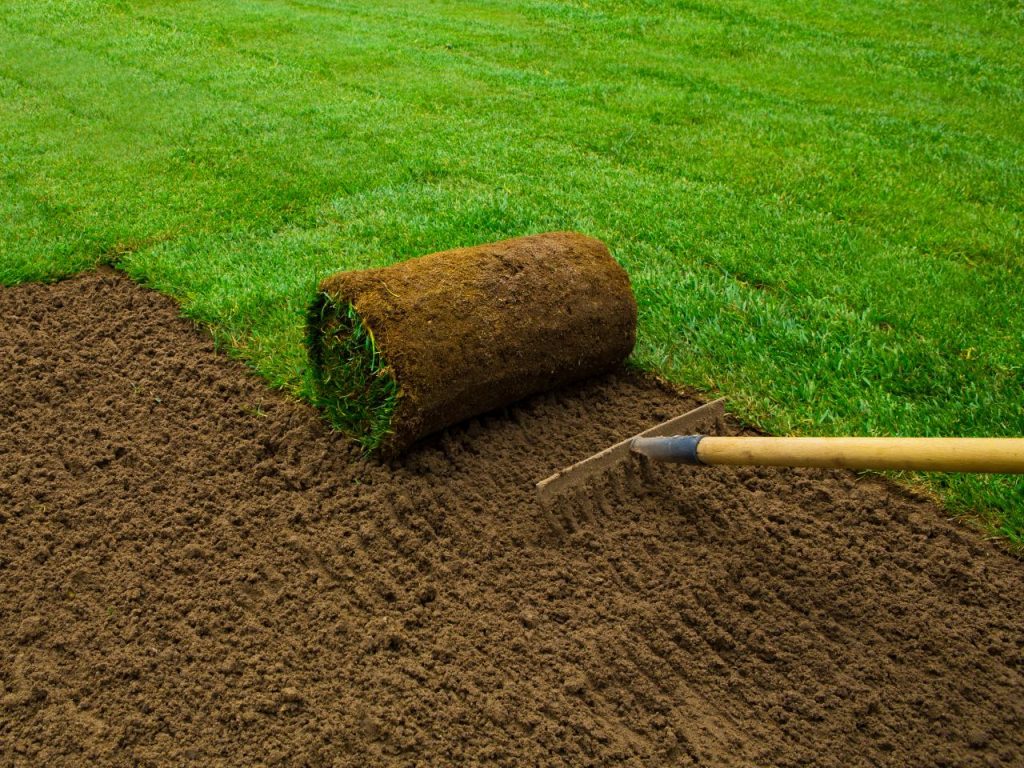
Is the sod on your Houston new construction property establishing the way it should, or have you been watching the lawn that the builder installed or that you installed after move-in struggling through its first growing season in ways that the standard establishment guidance you followed did not prepare you for? Houston new construction properties present sod installation conditions that differ significantly from the established residential properties where most Houston sod installation guidance is written — conditions rooted in the specific soil disruption, drainage challenges, and irrigation infrastructure limitations that the construction process creates on new build lots and that standard sod installation approaches apply without the site-specific adjustments these conditions require.
The new construction Houston lot at builder handover is not a blank canvas with fresh soil ready for sod installation. It is a lot whose topsoil has been stripped, stockpiled, compacted by construction equipment, and covered with fill material of variable quality and compaction during the grading and foundation work that the construction process requires. The drainage that the builder's rough grading established may or may not direct water away from the areas where sod will be installed. The irrigation system that the builder installed — if one was installed at all — may not have the coverage, the zone layout, or the controller programming that sod establishment on the specific lot requires. And the soil conditions that all of this creates may be significantly more challenging than the Houston Black clay baseline that standard new construction amendment programs assume.
At Gulf Reserve Landscape & Pools, sod installation for Houston new construction properties is one of our most consistent project categories. Here is what sod installation done correctly for Houston new build conditions actually requires.
What the Construction Process Does to Houston New Build Soil
Understanding the specific soil conditions that construction creates on Houston new build lots — conditions that differ from both undisturbed native soil and from the established residential soil that most Houston sod installation guidance addresses — establishes why new construction sod installation requires site-specific assessment and preparation rather than standard amendment program application.
Topsoil stripping and stockpiling during Houston home construction removes the organic matter-containing surface soil that supports biological activity and provides the structure that plant root systems establish in — and replaces it with the consolidated fill material that the lot grading and foundation construction use rather than the topsoil that was there before. Houston new build lots that had adequate organic matter in their native topsoil before construction have that topsoil either removed from the site or stockpiled and replaced in degraded condition after months of exposure to Houston's rain and sun. The soil surface that the builder's landscaping crew installs sod on is the subsoil material that construction has exposed rather than the topsoil that the site had before building began.
Construction equipment compaction on Houston new build lots creates the severe compaction that the heavy equipment operating repeatedly across the full lot during the construction period produces in Houston's clay-dominant soil. As Blog 107 establishes for soil compaction in Houston lawns generally, construction equipment creates compaction levels that exceed those from lawn maintenance equipment by orders of magnitude — the compaction that foundation excavation, concrete trucks, framing equipment, and material staging on the lot surface create is the most severe compaction that Houston residential lots experience, and it requires the most aggressive mechanical remediation that standard lawn maintenance aeration cannot provide.
Fill material variability on Houston new build lots reflects the variety of materials that different builders use for the lot grading and foundation preparation that construction requires — materials ranging from the clean sandy fill that provides good drainage but poor plant nutrition to the demolition debris and subsoil material that lot-clearing and grading operations disturb and redistribute across the building site. The specific fill material on any Houston new build lot is the product of the construction decisions that the builder made and the materials available during construction — conditions that site-specific assessment reveals rather than assumptions about what Houston new build soil should contain.
Pre-Installation Assessment for Houston New Build Sod
The assessment that precedes sod installation on Houston new construction properties addresses the specific conditions that the construction process has created rather than the standard conditions that generic new build landscape guidance assumes.
Soil testing at multiple locations on the Houston new build lot — sampling from the front yard, the rear yard, and any areas with notably different fill or drainage characteristics — provides the pH, nutrient, and organic matter data that calibrates the amendment program for the actual conditions on the specific lot rather than the assumed conditions that standard new build amendment programs address. Houston new build soils frequently test above pH 8.0 — higher than the 7.5 to 7.8 native clay baseline — because construction fill material often includes concrete rubble, alkaline subsoil material, and the construction waste products that raise pH above the native clay level. The amendment program calibrated for the tested pH rather than the assumed baseline pH produces better sod establishment outcomes.
Drainage behavior observation during or after a Houston rain event — walking the lot while it is raining or immediately after to observe where water accumulates, how long it holds, and whether the builder's rough grade directs drainage away from the sod installation areas or toward low points that sod establishment will be challenged by — provides the drainage assessment that installation sequencing decisions require. Houston new build lots with drainage problems that the builder's grade has not resolved are lots where drainage correction before sod installation is the preparation priority that makes everything else work correctly.
Irrigation system assessment on Houston new builds with builder-installed irrigation — running every zone and observing head coverage, confirming controller programming, and identifying the coverage gaps and zone layout limitations that builder irrigation systems consistently present — establishes whether the irrigation infrastructure can support sod establishment or requires correction before installation begins. As Blog 41 establishes for Houston new build irrigation systems, the irrigation system that the builder installs is designed for coverage at the lowest cost rather than for the performance that sod establishment requires — and the assessment that identifies the specific gaps before sod is installed prevents the establishment failures that inadequate coverage during the critical first weeks creates.
Soil Preparation for Houston New Build Sod Installation
Soil preparation for Houston new construction sod installation addresses the compaction, pH elevation, organic matter depletion, and drainage challenges that the construction process has created — at the remediation intensity that construction-scale soil disturbance requires rather than the maintenance-level amendment that standard new construction landscape preparation provides.
Mechanical scarification or deep tilling of the Houston new build soil surface before core aeration — using a vertical mower, power rake, or tilling equipment to break up the construction-compacted surface before the core aeration that creates channels through the compaction layer — produces the surface disruption that allows amendment incorporation and root penetration into the compacted profile more effectively than core aeration alone on the most severely compacted new build lots. Construction compaction in the upper 4 to 6 inches of Houston new build soil is often too severe for standard core aeration to adequately address in a single treatment — the pre-aeration surface disruption that tilling provides creates the mechanical loosening that aeration channels extend through.
Aggressive core aeration at the 2 to 3 inch core spacing that remediation-level aeration requires — not the 4 to 6 inch spacing of standard maintenance aeration — creates the channel density that effectively disrupts the construction compaction layer across the full sod installation area rather than the isolated channels that wider spacing produces. The remediation aeration that Houston new build soil compaction requires is more aggressive than the maintenance aeration that established Houston lawns receive — and it needs to achieve the 4 to 6 inch depth that reaches below the primary compaction zone rather than the 2 to 3 inch depth that surface-level compaction maintenance addresses.
Compost incorporation at remediation depth — spreading 3 to 4 inches of quality compost across the aerated Houston new build soil surface and tilling it into the top 6 to 8 inches — creates the organic matter that new build soils have been stripped of and the improved soil structure that compost decomposition progressively builds in the amended profile. The compost incorporation depth that reaches below the compaction zone on Houston new builds — 8 inches rather than the 6-inch standard for established properties — ensures that the amendment reaches the root zone depths that establishing sod needs to access for the moisture and nutrient support that successful establishment requires.
Elemental sulfur application at the rate that the soil test-indicated pH level requires — higher than the standard new construction amendment rate when tested pH exceeds 8.0 on construction fill materials — begins the pH correction program before sod installation rather than after, allowing the sulfur processing that produces meaningful pH reduction to begin as soon as possible before the planted sod encounters the alkaline conditions that inhibit its establishment and performance.
Sod Variety Selection for Houston New Build Properties
Sod variety selection for Houston new construction properties follows the site-specific assessment criteria that Blog 89 establishes for Houston sod variety selection generally — calibrated for the specific sun exposure, drainage conditions, and anticipated use patterns of the new build lot rather than defaulting to the most common Houston variety regardless of site conditions.
Sun exposure mapping on the Houston new build lot — assessing the hours of direct sun that each lawn area receives during the growing season, accounting for the shading that the newly constructed house creates that the undeveloped lot did not — is the starting point for variety selection on new build properties. New construction Houston lots where the house orientation and neighboring structures create shade patterns that the pre-construction sun exposure did not reflect need the variety selection that accounts for the actual post-construction sun conditions rather than the pre-construction conditions that the lot's open character suggested.
Soil condition alignment between the sod variety selected and the soil conditions the preparation program establishes ensures that the variety and conditions work together for establishment and long-term performance. Bermuda selected for a full-sun Houston new build area on soil amended to pH 6.5 is a match that supports establishment. The same Bermuda on soil that tested pH 8.2 and received insufficient sulfur to produce meaningful pH reduction before installation is a variety-condition mismatch that compromises establishment performance regardless of installation quality.
Establishment Management for Houston New Build Sod
Establishment management for Houston new build sod follows the program that Blog 25 establishes for Houston sod establishment generally — with the specific adjustments that new build conditions create for irrigation management and foot traffic restriction on occupied properties.
Irrigation system commissioning confirmation before the first roll of sod goes down — running every zone covering the sod installation area, confirming coverage uniformity, and confirming that the controller is programmed for the establishment period schedule rather than the standard maintenance schedule — is the final systems check that new build sod installation requires before the establishment period begins. The irrigation confirmation that reveals coverage gaps before sod is installed allows corrections to be made on bare soil where they are most easily executed. The same gaps discovered after sod is installed require hand watering supplementation until the irrigation correction is complete — adding management burden to an already intensive establishment period.
First-week establishment management on Houston new builds during summer installation conditions — the twice-daily irrigation that summer heat demands, the monitoring for dry spots and establishment stress, and the foot traffic restriction that protects establishing root-soil contact — requires the management attention that the household moving into a new Houston property needs to be prepared for before installation day rather than discovering the requirements after sod is already on the ground and the establishment period has begun.

Has the sod installation on your Houston new construction property been struggling to establish despite following standard guidance — or are you planning new build sod installation and want to make sure the preparation and process are right for the specific conditions your lot presents? Gulf Reserve Landscape & Pools assesses every Houston new build property personally before recommending sod installation scope — evaluating soil conditions from construction, drainage behavior, and irrigation system performance before the first amendment is applied or the first roll of sod is scheduled.
Get your free estimate at gulfreservelandscaping.com


