




Reviving an Aging Houston Property Landscape — What Complete Renovation of an Established Property Actually Requires
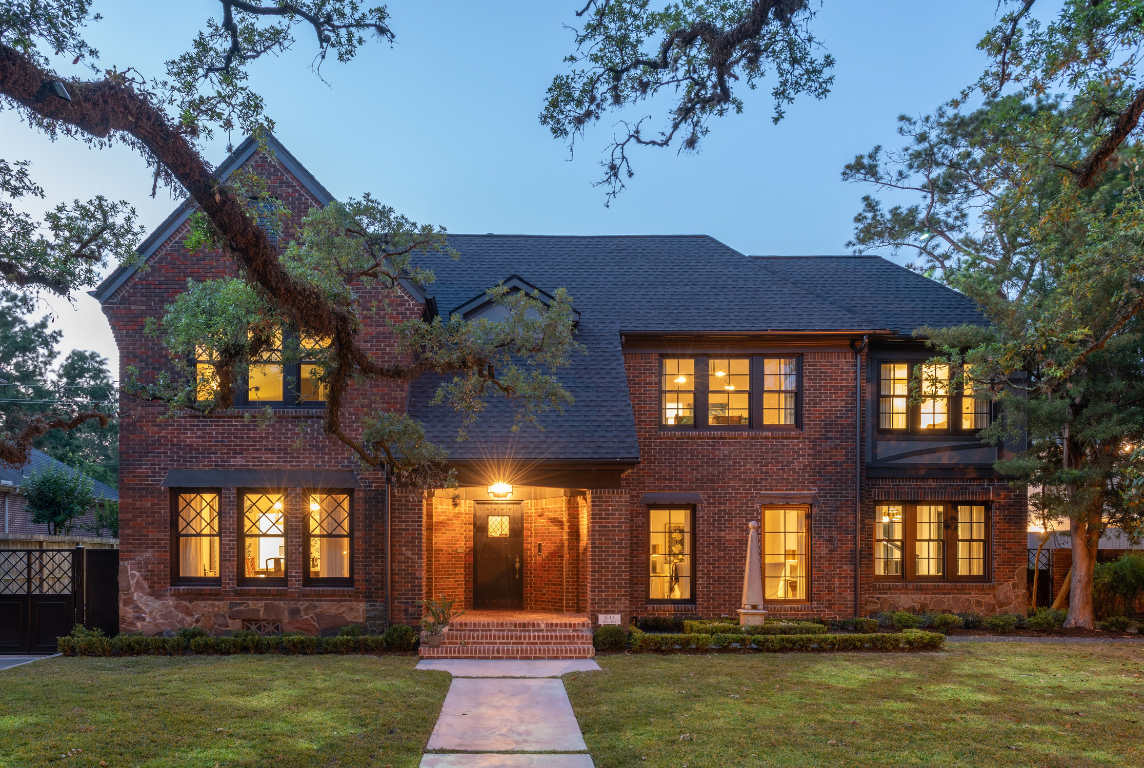
Is the landscape on your Houston property showing the accumulated deterioration that years of use, deferred maintenance, and the progressive soil and infrastructure decline that established properties develop over time — and are you at the point where you recognize that the maintenance program that has been managing the landscape is no longer capable of reversing the direction it has been heading? Aging Houston landscape properties present a specific renovation challenge that differs from both new construction landscape installation and the makeover of a property where the landscape has simply been neglected. The established Houston property that has been maintained but whose underlying conditions have nonetheless deteriorated over 15 to 25 years of ownership presents the combination of valuable existing assets worth preserving and fundamental condition problems worth correcting that makes renovation more complex and more nuanced than installation from scratch.
The mature trees that have been growing on the property for two decades are the most valuable landscape assets it has — irreplaceable on any timeline that matters to the current owner and the defining elements of the property's character. The soil that has accumulated 20 years of alkaline irrigation water chemistry, compaction from maintenance equipment, and organic matter depletion from turf management without compost replacement requires the aggressive remediation that surface treatments cannot deliver. The irrigation system that was installed at the property's development and has never been redesigned serves a landscape that has changed significantly from the one it was designed for. The hardscape that was adequate at installation has developed the cracking, settlement, and drainage failures that inadequate base preparation for Houston's clay produces over a realistic service period.
At Gulf Reserve Landscape & Pools, full landscape makeover for aging Houston properties is one of our most consistent project categories — the renovation work that restores established Houston properties to the quality standard they deserve while preserving the mature landscape assets that make these properties distinctive. Here is what complete renovation of an aging Houston property actually involves.
What Aging Does to Houston Landscapes
Understanding the specific deterioration mechanisms that time, use, and Houston's conditions create in established residential landscapes establishes why renovation addresses different problems than new construction installation and requires the site-specific assessment that identifies what the specific property has accumulated over its ownership history.
Soil chemistry accumulation over 15 to 25 years of hard water irrigation on Houston properties produces the pH elevation that Blog 01 establishes as one of the most consistent underlying causes of Houston landscape underperformance. Houston's municipal water at 100 to 200 parts per million hardness deposits calcium bicarbonate into the soil with every irrigation cycle — the accumulation that raises soil pH progressively above the 7.5 to 8.2 baseline of Houston's native clay toward the 8.0 to 8.5 range that long-established properties without pH management programs consistently reach. The soil at 8.2 pH that the property started with is the soil at 8.5 or higher after 20 years of hard water irrigation without sulfur management — and the additional 0.3 pH unit accumulation produces disproportionately more nutrient lockout than the absolute pH number suggests because the logarithmic pH scale means that each unit represents a tenfold change in hydrogen ion concentration.
Organic matter depletion from 20 years of turf management without compost replacement produces the low-organic-matter soil that Blog 01 establishes as the second most consistent underlying condition of Houston landscape underperformance. Organic matter in Houston lawn soil — the microbially active component that supports nutrient cycling, improves soil structure, and maintains the water retention that sustains plants between irrigation events — is consumed by microbial activity at rates that regular compost replacement needs to replenish. Houston lawn soils on established properties without a compost program consistently test below 2 percent organic matter — the level at which soil biological activity, structure, and fertility are significantly compromised relative to the 4 to 6 percent organic matter that productive lawn soil should contain.
Infrastructure deterioration over the service life of Houston property irrigation systems, drainage infrastructure, and hardscape reflects the specific failure modes that Houston's conditions create for each component type over a realistic ownership period. Irrigation systems installed 15 to 20 years ago have controller technology that predates smart ET-based scheduling, zone layouts that reflect the original landscape rather than the current one, and component wear that has been accumulating without the systematic assessment that proactive maintenance would have caught. Drainage infrastructure installed at the property's development has the clay migration into drainage aggregate, the pipe joint separations that root intrusion creates, and the inlet blockage that deferred cleaning allows that progressively reduces drainage performance below the original design capacity. Hardscape that was installed to builder standards rather than Houston-specific standards has reached the point in its deterioration trajectory where the cracking, settlement, and surface degradation that inadequate base preparation produces are too extensive for maintenance to address.
Ornamental planting decline over an ownership period reflects the combination of species that were not appropriate for Houston's conditions and eventually failed, the replacement plantings that were installed without correcting the conditions that killed the originals, and the planting composition that has grown beyond its design intent as some species have thrived and others have declined — creating the imbalanced, over- and under-grown composition that maintenance pruning manages without restoring the design quality the original composition was intended to achieve.
The Assessment That Drives Aging Property Renovation
Assessment for aging Houston property landscape renovation is more comprehensive than assessment for new construction installation because established properties have condition histories that new construction does not — the accumulated soil chemistry, the infrastructure service life, and the existing plant asset inventory that assessment needs to document before renovation design can make the right decisions about what to remediate, what to preserve, and what to replace.
Comprehensive soil testing on aging Houston properties samples multiple depths — 0 to 6 inches, 6 to 12 inches, and 12 to 18 inches — rather than the surface-only testing that new construction assessment uses. The pH profile at depth on an aging Houston property reveals the extent to which alkalinity has accumulated below the surface zone that standard amendment programs address — the information that makes the remediation program reach the depths where root systems encounter the soil conditions that actually affect their performance rather than treating only the surface zone while deeper alkalinity continues to limit root depth development.
Irrigation system performance assessment on aging Houston properties evaluates the zone layout against the current landscape rather than the original design, the controller technology against the smart ET-based scheduling standard that Blog 06 establishes as the current best practice, and the component condition against the wear that the system's age and service history have produced. The assessment of an aging Houston irrigation system is almost always an assessment that identifies more renovation need than simple component repair can address — the zone layout that was designed for the original landscape does not correctly serve the evolved landscape, the fixed-schedule controller cannot be upgraded to ET-based performance without controller replacement, and the accumulated head failures and coverage gaps reflect both maintenance deferred and design limitations that head replacement alone cannot correct.
Existing plant asset inventory on aging Houston properties distinguishes between the trees, shrubs, and landscape features that represent the valuable established assets the renovation should preserve and build around, the plants that have declined beyond recovery and represent remediation candidates, and the planting areas where the composition has grown so far beyond its design intent that the most cost-effective path to quality restoration is renovation of the composition rather than selective replacement and pruning of individual declining specimens.
The certified arborist assessment that Blog 65 establishes as the starting point for River Oaks luxury makeover work applies to any aging Houston property with significant existing trees — the structural integrity, root zone health, and root zone extent assessment that establishes which trees are assets worth protecting through renovation construction and which may need to be addressed before renovation investment in their vicinity is made.
Soil Remediation for Aging Houston Properties
Soil remediation for aging Houston properties addresses the accumulated pH elevation, compaction, and organic matter depletion that the assessment has documented — at the depths and with the program intensity that the specific conditions revealed by testing require rather than the standard new construction amendment approach that does not account for the more severe conditions that established properties present.
Deep sulfur application for aging Houston property soil pH correction — at the higher rates that pH levels above 8.2 require to produce meaningful reduction within the growing season timeframe — is the remediation commitment that makes the difference between a renovation that restores soil chemistry to the range that the planting palette requires and one that applies standard amendment rates that produce marginal improvement in conditions more severe than standard rates were designed to address.
Deep compost incorporation to the 8-inch depth that aging Houston lawn soil organic matter depletion requires — versus the 6-inch standard for new construction preparation — creates the improved growing medium at the depths where root systems actually operate on established Houston properties with their accumulated compaction and organic matter depletion. The additional 2 inches of incorporation depth is the difference between amendment that reaches the root zone on an established property and amendment that stays above the compaction layer that aging Houston lawns have developed.
Renovation Design Principles for Aging Houston Properties
Renovation design for aging Houston properties reflects the specific constraints and opportunities that established sites present — the mature tree preservation requirements, the evolved landscape character, and the infrastructure remediation needs that new construction design does not need to address.
Building around existing assets rather than designing as if the site were clear is the primary design principle that distinguishes aging property renovation from new construction landscape installation. The mature live oaks that have been growing on a Houston property for 20 years are the most valuable landscape assets the renovation inherits — and the renovation design that works within their root zones, that frames the outdoor living program around their canopy structure, and that preserves their contribution to the property's character produces a renovation that leverages the time investment the previous ownership made in the landscape. The renovation design that treats existing trees as obstacles to be worked around rather than assets to be built around misses the most valuable landscape quality the established property provides.
Phased renovation approach for aging Houston properties where the full renovation scope exceeds what single-season construction can efficiently execute — or what the homeowner's budget allows in a single investment — sequences the renovation components in the priority order that produces the most significant improvement with each phase while positioning later phases to build on earlier ones without requiring the disruption of redoing earlier work to accommodate later phases. Drainage correction and soil remediation in Phase 1. Irrigation renovation and primary hardscape in Phase 2. Planting renovation and lighting in Phase 3. The sequence that addresses the foundational conditions before the aesthetic components produces durable results at each phase rather than beautiful surfaces over conditions that continue to undermine their performance.
What Aging Houston Property Landscape Renovation Costs
Comprehensive landscape renovation on an aging Houston residential property — addressing soil remediation to the extent established conditions require, irrigation system renovation or replacement, hardscape repair or replacement where base failure warrants it, ornamental planting renovation with Houston-appropriate species at establishment sizes, and custom lighting — spans a wide cost range that reflects the property size, the extent of infrastructure remediation required, and the material quality and planting installation sizes specified.
Modest aging Houston property renovations — properties where the primary renovation needs are soil remediation, irrigation system updating, selective hardscape repair, and ornamental bed replanting without significant structural renovation — typically range from 25,000 to 60,000 dollars depending on property size and the specific scope of each component.
Comprehensive aging Houston property renovations — properties where significant irrigation system redesign, extensive hardscape replacement with premium materials, and complete ornamental planting renovation at impact installation sizes are required alongside soil remediation and lighting — typically range from 60,000 to 200,000 dollars depending on property size, hardscape scope and material selection, and the extent of infrastructure remediation the assessment identified.
The return on renovation investment for aging Houston properties — the restoration of the landscape quality that the property deserves and the elimination of the maintenance cost escalation that deferred remediation produces — is both the daily quality of life improvement that a well-functioning, visually appealing landscape provides and the property value contribution that Blog 76 establishes as the financial return that quality landscape investment delivers in Houston's residential real estate market.

Is the landscape on your aging Houston property at the point where renovation rather than continued maintenance is the right investment? Gulf Reserve Landscape & Pools walks every Houston property personally — assessing soil conditions at multiple depths, irrigation system performance, hardscape structural integrity, and existing plant asset value before recommending renovation scope — so the investment you make restores the landscape quality your property deserves rather than continuing to maintain the decline that the underlying conditions have been producing.
Get your free estimate at gulfreservelandscaping.com


