




Repositioning Houston Commercial Property Landscapes — What Transforming the Outdoor Environment Delivers for Assets Moving Up in the Market
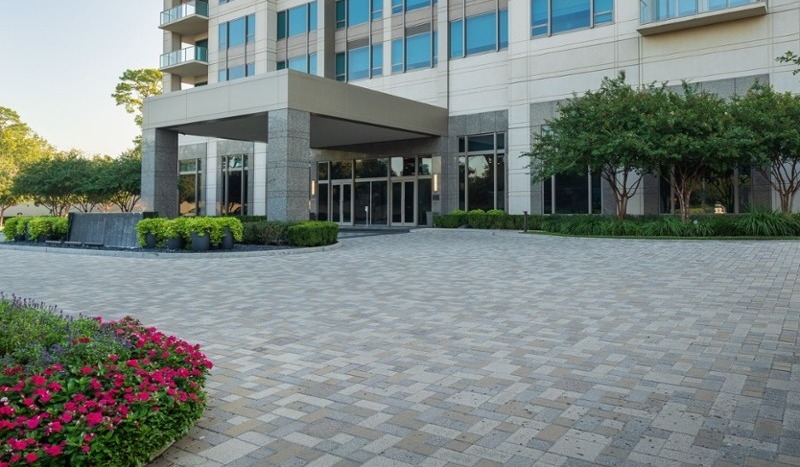
Is your Houston commercial property's landscape aligned with the market positioning you are targeting, or is a landscape that communicates yesterday's quality standard undermining the repositioning investment that the building improvement program represents? Commercial property repositioning in Houston — the asset improvement strategy that moves a property from one market tier to a higher one through capital investment in the physical environment — produces the strongest returns when every component of the property's presentation is transformed to reflect the new positioning, not just the interior and mechanical systems that most repositioning programs prioritize.
The landscape is the component of a Houston commercial property's presentation that prospective tenants and customers evaluate first, before they enter the building, before they see the renovated lobby, and before they experience the upgraded common areas that the interior repositioning program has invested in. A Houston commercial property where the building has been renovated to Class A standards but the landscape still communicates Class B maintenance quality is a property where the repositioning investment is undermined by the first impression the outdoor environment creates. The landscape transformation that aligns the property's outdoor environment with its new market positioning is not a supplementary component of the repositioning program. It is a prerequisite for the repositioning program producing the tenant quality, lease rates, and asset value that the capital investment is intended to deliver.
At Gulf Reserve Landscape & Pools, landscape transformation for Houston commercial property repositioning is part of our full landscape makeover and commercial maintenance contract services. Here is what landscape repositioning for Houston commercial properties actually involves and what it delivers for assets moving up in the market.
The Landscape's Role in Houston Commercial Property Repositioning
The financial logic of including landscape transformation in a Houston commercial property repositioning program is grounded in the relationship between outdoor environment quality, prospective tenant impressions, and the lease rates that repositioning targets.
First impression alignment with repositioned quality is the primary argument for landscape transformation in Houston commercial repositioning programs. The prospective Class A tenant evaluating a repositioned Houston office property arrives through the landscape before they enter the building, and the impression that the landscape creates in those first 60 seconds of the property experience sets the expectation for everything that follows. A landscape that communicates Class A quality management primes the prospective tenant to experience the interior improvements as confirmation of a quality property rather than as an attempt to compensate for an inadequate exterior. A landscape that communicates Class B or C quality undermines that priming before the first interior impression is formed.
Lease rate support from landscape quality transformation reflects the premium that Houston's Class A office, retail, and multifamily markets command over Class B and C alternatives. This premium is partly justified by the higher-quality physical environment that Class A properties deliver at every interaction point, including the landscape. Houston commercial repositioning programs that achieve the full Class A lease rate premium typically include landscape transformations that match the quality standard of the building improvements. Not because the landscape alone justifies the premium, but because the landscape quality is part of the holistic Class A quality impression that commands it.
Time-to-lease-up improvement from landscape transformation in Houston commercial repositioning programs reflects the competitive advantage that outdoor environment quality provides during the leasing period when prospective tenants are comparing the repositioned property against established competitors. A repositioned Houston commercial property with a transformed landscape generates better first impressions, stronger interest from Class A prospects, and faster lease execution than a repositioned property where the building has been upgraded but the landscape still communicates the property's pre-repositioning quality level.
Assessing the Landscape Gap in Houston Commercial Repositioning
The landscape gap assessment that precedes repositioning landscape design identifies the specific conditions that the current landscape communicates relative to the target market positioning — the honest inventory of what the landscape is saying about the property and whether that message aligns with the Class A or premium Class B positioning that the repositioning program is designed to achieve.
Curb appeal and entry sequence assessment evaluates the property from the street approach and through the entry sequence that every prospective tenant experiences. The questions that this assessment addresses are direct. Does the landscape quality at the street and entry communicate a quality level consistent with the repositioning target? Are the entry plantings at sizes and condition levels that communicate active investment rather than deferred maintenance? Is the hardscape at the entry approach in the condition that premium positioning demands? Does the lighting program at the entry sequence communicate quality and care after dark? The answers that honest assessment produces reveal the specific landscape components that the repositioning investment needs to address.
Turf and ornamental bed quality assessment across the property's common areas evaluates whether the landscape quality that tenants and visitors experience daily reflects the repositioned property's new standard. Thin, weed-invaded turf communicates the deferred maintenance that Class B positioning accepts and Class A positioning rejects regardless of how beautifully the building's lobby has been renovated. Overgrown, declining ornamental beds with inconsistent mulch depth and irregular edging communicate the same message. The landscape quality assessment that identifies these specific deficiencies is the assessment that makes the repositioning landscape investment address the actual gaps rather than the assumed ones.
Hardscape condition assessment evaluates the concrete flatwork, paving, and the hardscape infrastructure of the property against the condition standard that the repositioned positioning requires. Cracked entry drives, settled walkways, and worn plaza surfaces communicate maintenance deferral that premium market positioning cannot accept. The structural assessment that distinguishes surface deterioration from base failure — the distinction that determines whether remediation is resurfacing or replacement — is the technical assessment that makes the hardscape investment decision correctly for each specific area of the property.
The Repositioning Landscape Transformation Program
The landscape transformation program for a Houston commercial property repositioning addresses every component of the outdoor environment that the gap assessment identified as inconsistent with the target positioning — in the construction sequence that produces durable results at each phase and that positions later phases to build correctly on the earlier ones.
Entry sequence transformation is the highest-priority component of Houston commercial repositioning landscape work because the entry is what every prospective tenant evaluates first and what the property's marketing photography presents most prominently. Entry transformation for Class A repositioning on Houston commercial properties covers the removal of declined or oversized ornamental plantings that have grown beyond their design intent, soil amendment and drainage correction in the entry planting areas, installation of replacement plantings at the installation sizes that provide immediate visual impact rather than the establishment period that smaller containers require, and seasonal color installation that maintains the entry's visual quality through Houston's full calendar year.
Natural stone hardscape at the entry sequence — the limestone pathway, the stone feature wall at the entry, and the upgraded entry drive surface finish — communicates the material quality standard that premium commercial positioning requires at the most evaluated location on the property. Entry hardscape that communicates premium material quality frames the building's architectural quality correctly and creates the unified quality impression that mismatched landscape and building quality cannot achieve.
Turf renovation for Houston commercial repositioning follows the assessment-to-installation program that Blog 50 establishes for Houston commercial sod installation generally — soil testing, pH amendment, core aeration, compost incorporation, irrigation assessment and correction, and sod installation with variety selection appropriate to the specific site conditions. Turf that communicates consistent, dense quality across the full property common areas creates the maintained environment that Class A positioning requires from the landscape areas that provide the visual context for the building's architecture.
Irrigation system renovation or replacement for Houston commercial repositioning ensures that the irrigation system supporting the repositioned landscape performs at the level the investment requires. As Blog 46 establishes for Houston commercial irrigation generally, irrigation systems that were installed to builder or owner standards rather than performance standards consistently underperform relative to the landscape they are supposed to support. Irrigation renovation for commercial repositioning addresses the zone layout limitations, head coverage gaps, and controller technology limitations that the existing system presents — producing a system designed for the repositioned landscape rather than the landscape that existed when the system was originally installed.
Lighting program installation or upgrade for Houston commercial repositioning transforms the property's nighttime presentation to match the daytime quality that the landscape renovation creates — the lighting program that Blog 51 establishes as the component that makes the repositioned property's quality visible during the evening hours when prospective tenants and customers are forming impressions from the street and parking area. Entry sequence lighting, landscape feature illumination, and the security integration that perimeter lighting provides create the complete nighttime quality that Class A repositioned properties require rather than the code-minimum institutional lighting that many pre-repositioning commercial properties operate with.
Maintaining Repositioned Landscape Quality in Houston
The landscape transformation that achieves the repositioning quality standard at completion needs the ongoing maintenance program that sustains it through the years of tenant occupancy that the repositioning investment is designed to serve. The maintenance program that was adequate for the pre-repositioning landscape quality level is almost always inadequate for the higher quality standard that the repositioned landscape represents.
Maintenance program recalibration after Houston commercial landscape repositioning establishes the visit frequency, scope of seasonal programs, and irrigation management standards that the repositioned quality requires rather than the reduced program that the pre-repositioning budget reflected. As Blog 74 establishes for Houston commercial landscape maintenance bid evaluation, the maintenance program that produces consistent Class A quality requires the crew time, visit frequency, and Houston-specific program knowledge that low-bid contracts do not provide. The repositioning investment that produced Class A landscape quality is best protected by the maintenance program that maintains it rather than the one that manages its progressive decline back toward the quality level the repositioning was designed to move beyond.
Seasonal program integration with the repositioned property's marketing and leasing calendar — the seasonal color rotations timed for the pre-marketing photography season, the pre-tour maintenance intensification that ensures the property presents at its best for leasing presentations, and the annual landscape assessment that identifies any maintenance gaps before they produce visible decline — creates the proactive management alignment between landscape quality and the repositioned property's leasing performance.

Not sure whether the landscape on your Houston commercial property is aligned with the market positioning your repositioning program is targeting? Gulf Reserve Landscape & Pools assesses Houston commercial properties personally — evaluating the specific landscape gaps that the current condition presents relative to the target positioning — before recommending the landscape transformation scope that the repositioning program requires.
Get your free estimate at gulfreservelandscaping.com


