




Landscape Maintenance for Houston Retail Centers — What Customer Experience and Tenant Sales Performance Actually Require From Outdoor Environment Care
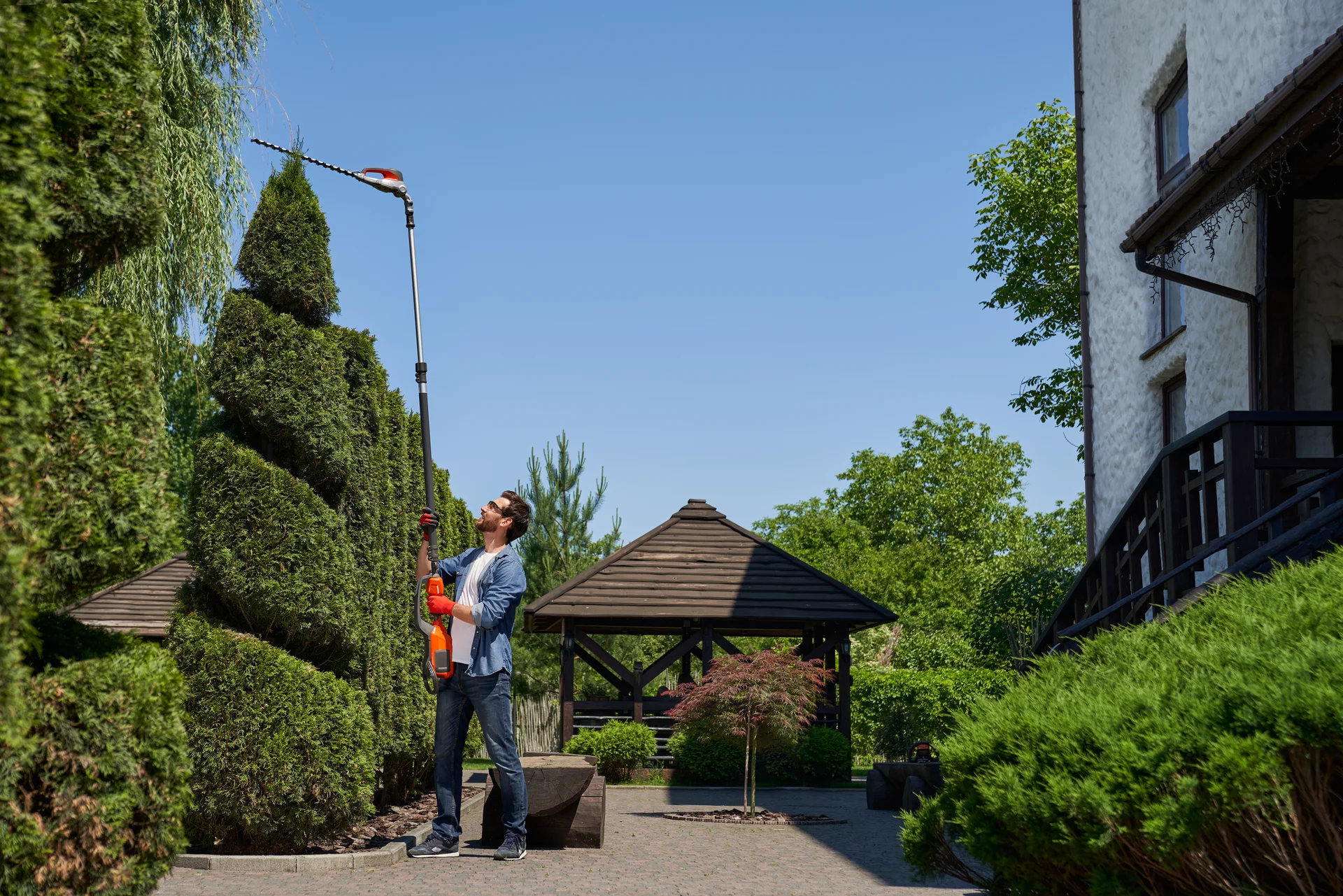
Is the landscape maintenance program at your Houston retail center producing the customer experience quality that drives traffic and supports tenant sales — or is declining outdoor environment quality creating the negative first impression that sends potential customers back to their cars before they reach the first store entrance? The landscape of a Houston retail center is not neutral background. It is a sales environment component that customers evaluate before they enter the first store and that communicates the quality standard of the retail destination before any merchandise is displayed or any service is delivered.
Houston's retail property landscape — the parking area planting, the entry approaches, the building front ornamental beds, and the outdoor common areas that lifestyle and mixed-use retail centers incorporate — is experienced by customers at close viewing distances and at the evaluative mindset that drives discretionary spending decisions. The customer who chooses between comparable Houston retail destinations takes the overall environmental quality of each destination into account, consciously or not, as part of the decision about where to direct their shopping time and spending. The retail center whose landscape communicates active investment and quality management creates a more favorable initial environment for the spending decisions that follow than the center where landscape decline communicates the opposite before the customer reaches the first storefront.
At Gulf Reserve Landscape & Pools, commercial landscape maintenance for Houston retail centers is part of our commercial maintenance contract service. Here is what landscape maintenance done correctly for Houston retail environments actually requires.
How Houston Retail Landscape Quality Affects Customer Behavior
The relationship between landscape quality and retail performance on Houston retail properties operates through specific customer behavior mechanisms that property managers can influence through maintenance quality decisions.
First impression formation at the point of arrival — the parking area approach, the entry drive landscape, and the building front environment that customers observe as they arrive and move from their cars to the store entries — creates the initial quality assessment that sets the frame for the retail experience before it begins. Houston retail customers who arrive at a center with consistently maintained landscape, defined parking area planting, and attractive building front ornamental beds form the positive environmental association that primes them for a favorable retail experience. Customers who arrive at a center with declining landscape quality form the negative environmental association that the retail experience inside the store then needs to overcome before the customer's evaluation of the shopping destination becomes neutral — let alone favorable.
Dwell time and return visit rates on Houston retail properties are affected by the overall environmental quality that customers experience during their visit — including the landscape quality of the outdoor areas that connect the stores, frame the entry sequences, and create the outdoor common areas that lifestyle retail centers incorporate as active amenity elements. Customers who experience a pleasant, well-maintained outdoor environment as they move between stores on a Houston retail property spend more time at the center and return more frequently than customers whose movement between stores takes them through declining outdoor environments that communicate neglect rather than investment.
Tenant satisfaction and renewal on Houston retail properties is affected by landscape maintenance quality through the same customer experience mechanism that affects the tenants' own sales performance — the positive or negative outdoor environment frame that the landscape creates for the customer's experience of each tenant's store. Houston retail tenants whose customers consistently arrive through well-maintained landscape quality report higher satisfaction with the property management than tenants whose customers navigate declining outdoor environments on the way to their stores. This satisfaction differential translates directly into lease renewal sentiment that property managers need to manage proactively rather than reactively when renewal conversations begin.
Maintenance Components for Houston Retail Center Landscape Programs
Quality landscape maintenance for Houston retail centers covers every outdoor environment component that affects customer experience, tenant presentation, and the property's competitive positioning in Houston's active retail market.
Parking area and island maintenance is the landscape component that most customers encounter first on arrival — the planting islands, tree wells, and perimeter planting that frame the parking area where customers leave their cars and begin their experience of the retail environment. Parking area landscape on Houston retail properties that is consistently maintained — island planting that is weed-free and mulched, tree wells that are defined and debris-free, and perimeter turf that is mowed and edged to commercial standards — communicates the active management investment that Houston retail destinations require to compete effectively in a market where customers have multiple comparable alternatives.
Parking area island planting maintenance on Houston retail properties requires the higher frequency and detail quality that the visibility and customer evaluation context of these specific landscape areas creates. As Blog 59 establishes for Houston retail property landscape maintenance generally, the parking area island that is weed-invaded, with irregular mulch and undefined bed edges, creates the first negative environmental impression that the customer's retail experience needs to overcome — a deficit that effective retail environments cannot afford to create before the customer enters the first store.
Building front and entry planting maintenance for Houston retail center tenants — the ornamental bed areas directly adjacent to storefronts, at building entries, and along the pedestrian walkways that connect stores — requires the maintenance quality that communicates to each tenant's customers that the property management invests in the outdoor frame for their store's presentation. Clean, weed-free, consistently mulched ornamental beds at Houston retail tenant entries communicate the quality of the property management to the customer at the close viewing distance of the pedestrian approach to each storefront.
Seasonal color programs at Houston retail centers — the rotation of flowering annuals at high-visibility entry, anchor tenant approach, and feature planting locations that maintains visual quality through Houston's calendar year — are the landscape maintenance component with the most direct relationship to the property's ability to create the seasonal retail event atmosphere that drives customer traffic during Houston's peak retail periods. As Blog 09 establishes for Houston seasonal planting timing, the species and timing selection that matches actual Houston seasonal performance rather than retail availability produces better color quality — the pansy and snapdragon for fall and winter, the petunia and salvia for spring, and the pentas and vinca for summer that perform correctly in Houston's conditions rather than declining prematurely in conditions they were not selected for.
Hardscape maintenance for Houston retail center concrete, paver, and stone surfaces — the pressure washing, joint maintenance, and biological growth management that maintains the appearance standard that retail customer traffic demands — is the maintenance component that most directly affects the customer's visual experience of the retail environment at the close viewing distances that retail pedestrian areas create. As Blog 82 establishes for Galleria area commercial concrete, the appearance threshold for acceptable hardscape condition is higher in retail customer environments than in lower-visibility commercial contexts — the deterioration or biological growth staining that would be tolerable in a less customer-facing environment communicates maintenance neglect at the retail customer's close evaluation distance.
Irrigation Management for Houston Retail Center Maintenance
Irrigation management for Houston retail center landscape maintenance programs follows the proactive assessment and seasonal management approach that Blog 35 establishes for commercial irrigation maintenance — with the specific consideration that coverage failures on retail properties produce the visible dry spots and declining planting that customers and tenants observe and that affect the retail environment quality directly.
Coverage uniformity on retail turf and planting — the consistent green and healthy appearance that adequate irrigation coverage across the full planted area produces — is the landscape quality indicator that retail customers evaluate at the viewing distances and evaluation frequency that retail environments create. Dry spots in parking area turf, declining planting at building entries from irrigation coverage gaps, and the inconsistent color and density that head failures produce are the visible maintenance quality gaps that Houston retail landscape programs need to prevent through the proactive irrigation assessment that identifies and corrects coverage failures before they produce visible landscape damage.
Seasonal programming management for Houston retail center irrigation reduces water costs during Houston's cooler months while maintaining the landscape quality that consistent irrigation supports. As Blog 35 establishes, Houston commercial properties where irrigation is actively managed against actual ET conditions use 25 to 40 percent less water than properties running fixed annual schedules — the water cost efficiency that compounds the landscape quality benefit of active irrigation management with the operating cost reduction that Houston retail property managers' budgets benefit from.
Maintenance Scheduling Coordination With Houston Retail Operations
Maintenance scheduling for Houston retail center landscape programs requires the coordination with retail tenant operations and the customer traffic patterns that make maintenance timing consequential for the retail environment quality.
Pre-peak-season landscape preparation — the maintenance intensification, seasonal color installation, and hardscape cleaning that prepares Houston retail centers for the fall and holiday shopping season — aligns the landscape quality with the retail calendar's highest-traffic period. As Blog 59 establishes, the Houston retail landscape that enters the holiday shopping season in peak condition supports the customer experience during the period when retail performance is most consequential for tenant sales and property NOI.
Early morning scheduling for the most disruptive maintenance operations — mowing, blowing, and major ornamental bed maintenance that generates noise and equipment presence — keeps these operations out of the customer traffic hours when retail tenants' customers are present and when maintenance operations would create the negative service environment that retail tenants and their customers should not experience.
Event coordination for Houston retail centers with tenant promotional events, seasonal activations, and the outdoor programming that lifestyle retail centers use to drive traffic — ensuring that the landscape is at its best condition for event days and that maintenance scheduling does not conflict with the outdoor programming that creates the retail center's event quality — is the proactive scheduling management that property managers value in landscape maintenance contractors who understand the retail operations calendar.
Documentation and Accountability for Houston Retail Center Maintenance
Documentation and reporting for Houston retail center landscape maintenance programs reflects the tenant accountability standards and the institutional property management oversight that retail center ownership structures create.
Tenant-facing maintenance documentation — the maintenance record that property management can reference when tenant communications about landscape quality arise — provides the accountability infrastructure that distinguishes professionally managed retail landscape programs from informal service relationships. The maintenance visit report that documents what was done, when it was done, and what conditions were observed provides the property manager with the reference document that tenant quality concerns can be addressed against — either confirming that the contracted maintenance was delivered correctly or identifying the service gap that the documented record reveals.
Asset management reporting for Houston retail centers under institutional ownership — the quarterly and annual landscape condition and maintenance program summary that REIT, fund, and institutional investor ownership requires for property performance monitoring — is the management document that Gulf Reserve includes in commercial retail maintenance programs as a standard deliverable. The retail center landscape maintenance program whose documentation supports the asset management reporting that institutional ownership requires communicates the professional program quality that institutional property owners expect from the landscape contractors serving their assets.

Is the landscape maintenance program at your Houston retail center delivering the customer experience quality and the property management standard that your tenants and ownership require? Gulf Reserve Landscape & Pools walks every Houston retail center personally before proposing a maintenance program — assessing current landscape conditions, understanding the tenant mix and their customer experience requirements, and developing the specific scope that the property's retail positioning and customer traffic standards require.
Get your free estimate at gulfreservelandscaping.com


