



Landscape Maintenance for Houston Mixed-Use Developments — What Serving Residential, Retail, and Office Uses Simultaneously Actually Requires
Is the landscape maintenance program at your Houston mixed-use development serving all of the distinct user groups that mixed-use properties create — the residents who live with the outdoor environment daily, the retail customers who evaluate it as part of their shopping destination decision, and the office tenants whose employees commute through it every workday — or is the program optimized for one user group's expectations at the expense of the others in ways that create the satisfaction gaps that mixed-use property management is uniquely challenged to balance?
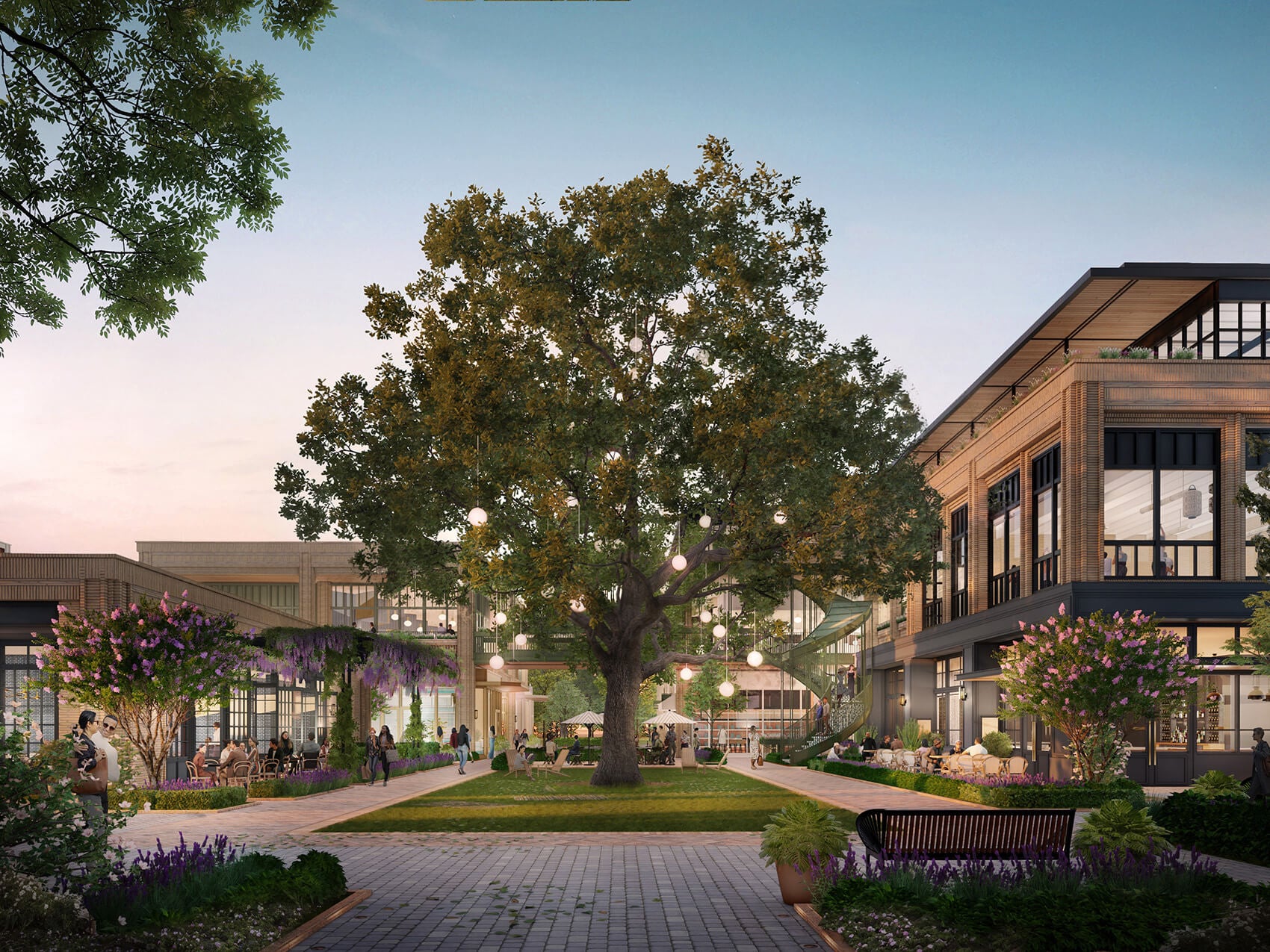
Mixed-use developments in Houston — the residential-retail-office combinations that define the most active urban and suburban development formats in the current Houston market, from the urban mixed-use along Houston's inner corridors to the suburban mixed-use centers in Katy, Sugar Land, and The Woodlands — present landscape maintenance challenges that single-use commercial properties do not face. The residential component that expects the daily quality consistency that residents living with the environment continuously notice. The retail component that expects the customer-facing presentation quality that drives foot traffic and shopping behavior. The office component that expects the professional environment standard that corporate tenants associate with quality property management. Serving all three simultaneously requires the program depth, the scheduling coordination, and the Houston-specific expertise that generic commercial maintenance programs do not provide at the level mixed-use properties require.
At Gulf Reserve Landscape & Pools, commercial landscape maintenance for Houston mixed-use developments is part of our commercial maintenance contract service. Here is what maintenance done correctly for Houston mixed-use properties actually involves.
What Makes Mixed-Use Development Landscape Maintenance Different
Houston mixed-use development landscape maintenance faces operational demands that single-use commercial properties do not — demands rooted in the multiple user groups, the varied activity patterns throughout the day and week, and the simultaneous quality standards that mixed-use properties need to meet for each distinct component.
24-hour resident presence in mixed-use developments with residential components creates the continuous landscape quality observation that office properties experience only during business hours and retail properties experience only during shopping hours. Residents who live in mixed-use Houston developments experience the outdoor environment on early morning dog walks, late evening returns from restaurants, weekend leisure time in outdoor common areas, and every intermediate moment that daily residential life creates for outdoor environment interaction. The landscape quality gap that office tenants notice once daily during their morning arrival is noticed by mixed-use residents multiple times daily on a continuous basis — creating the maintenance quality standard that residential expectations impose even on the shared commercial and common areas that mixed-use developments create.
Varied activity pattern coordination across the residential, retail, and office uses of mixed-use properties creates the scheduling complexity that maintenance programs for these properties need to navigate. Office use peak hours in the morning arrival and afternoon departure windows. Retail use peak hours in the late morning through early evening shopping periods. Residential use throughout all hours with peak outdoor activity in early morning and evening. The maintenance scheduling that avoids creating negative service environments for any of these user groups during their peak activity hours while still delivering the maintenance frequency that the combined quality standards require needs the operational sophistication that mixed-use property management experience provides rather than the scheduling defaults that single-use commercial maintenance programs apply without modification.
Visual quality from multiple vantage points at mixed-use Houston properties — the street-level retail frontage view, the upper-level residential unit view into the common areas and courtyard spaces below, and the office building entry view across the shared landscape that all users traverse — creates the landscape quality requirement that the program needs to maintain at every scale and from every vantage point that the property's various user groups evaluate from. The landscape quality that looks acceptable from street level but reveals maintenance gaps from the residential units above communicates the same maintenance inadequacy from both perspectives — and the mixed-use maintenance program that addresses both perspectives simultaneously is the program that serves the property's full user experience correctly.
Maintenance Components for Houston Mixed-Use Development Landscape Programs
Quality landscape maintenance for Houston mixed-use developments addresses the full outdoor environment that the property's various user groups experience — from the street-facing retail frontage that drives customer traffic to the residential courtyard and amenity spaces that residents value as extensions of their living environment.
Courtyard and residential amenity area maintenance for Houston mixed-use developments with residential components — the outdoor common areas, the amenity courtyards, the dog runs and passive recreation spaces that residential components incorporate — requires the maintenance quality standard that residents' daily use and continuous presence demands. As Blog 58 establishes for Houston multifamily landscape maintenance, the maintenance quality that mixed-use residential components require reflects the direct relationship between outdoor environment quality and resident satisfaction, renewal rates, and the online review sentiment that affects the property's leasing performance. The courtyard maintenance that residential occupants experience on every trip between their unit and the shared amenities needs to communicate the active investment in their daily living environment that competitive residential positioning demands.
Retail frontage and pedestrian zone maintenance for Houston mixed-use developments with retail components — the storefront landscape, the pedestrian walkway planting, and the entry feature areas that customers evaluate as part of their retail destination assessment — requires the customer-facing maintenance quality that Blog 126 establishes for Houston retail center landscape programs. The retail frontage that is consistently maintained and seasonally refreshed communicates the active retail environment investment that attracts customer traffic. The frontage that communicates maintenance decline communicates the retail destination quality gap that drives customers to alternative destinations.
Office component landscape maintenance for Houston mixed-use developments with office tenants — the entry sequences, parking area landscape, and building approach environments that corporate tenants and their visitors evaluate as components of the professional environment the office space provides — requires the corporate quality standard that Blog 57 establishes for Houston office park landscape maintenance. Mixed-use developments with office components serving corporate tenants need the turf quality, ornamental bed standard, and seasonal color program quality that corporate tenant expectations establish as the baseline for the physical environment they occupy.
Shared landscape transition zones in Houston mixed-use developments — the areas where the retail, residential, and office components' landscape programs intersect and where the maintenance standard needs to serve all three user groups' expectations simultaneously — require the design and maintenance intelligence that understands where each user group's quality standards are most directly expressed and how the maintenance program serves all of them at the shared transition points that mixed-use properties create.
Seasonal Color Programs for Houston Mixed-Use Developments
Seasonal color programs for Houston mixed-use developments create the year-round visual quality that simultaneously serves the retail calendar, the residential quality of life expectation, and the office corporate presentation standard that these properties' combined user groups require.
Retail calendar alignment for the Houston seasonal color program at mixed-use retail components — the color rotations timed for the pre-holiday peak retail season and the spring shopping season that drive the highest customer traffic volumes — creates the visual excitement and seasonal identity that retail destination marketing uses to differentiate from competing alternatives. As Blog 59 establishes for Houston retail landscape maintenance, the seasonal color that is correctly timed for Houston's actual seasonal conditions and positioned at the high-visibility locations that retail customers evaluate most directly communicates the active retail investment that destination retail requires.
Residential quality of life contribution from year-round seasonal color at Houston mixed-use development courtyard and amenity areas — the color rotations that maintain visual interest in the residential common areas through all seasons — creates the daily living environment quality that resident satisfaction surveys consistently identify as a meaningful component of overall property satisfaction. Residents who see well-executed seasonal color in the outdoor areas they use daily associate the property management quality with the active investment in their living environment that seasonal color communicates.
Unified color program across uses that creates the consistent visual identity across the mixed-use development's various landscape zones — rather than the disconnected seasonal programs that individual use components maintained independently would produce — communicates the unified property management quality that mixed-use developments benefit from projecting rather than the segmented management that separate maintenance programs for separate use components creates.
Irrigation Management for Houston Mixed-Use Development Maintenance
Irrigation management for Houston mixed-use development landscape maintenance programs reflects the complexity of serving multiple landscape zones with different water demand profiles, different planting programs, and the operational demands that mixed-use property activity patterns create for irrigation scheduling.
Zone separation by use and plant community at Houston mixed-use developments — the residential courtyard drip zones that serve shade-tolerant ornamental plantings, the retail frontage rotary head turf zones that serve customer-facing lawn areas, and the office parking area zones that serve the turf and ornamental programs that corporate tenants evaluate — requires the zone design sophistication that Blog 46 establishes for Houston commercial irrigation generally. Each use component's landscape program has different irrigation demand characteristics that zone separation allows to be managed independently rather than the compromise scheduling that consolidated zones require.
Scheduling coordination with mixed-use activity patterns — avoiding irrigation activation during the peak retail shopping hours when wet pathways create slip hazards and irrigation spray affects customer comfort, scheduling residential courtyard irrigation for the early morning hours that residents expect maintenance to occur, and maintaining the professional environment quality that office component irrigation management supports during business hours — is the operational sophistication that mixed-use irrigation management requires beyond the standard commercial irrigation scheduling that single-use properties need.
Documentation for Houston Mixed-Use Development Maintenance
Documentation and reporting for Houston mixed-use development landscape maintenance programs reflects the multiple ownership and management stakeholders that mixed-use properties often involve — the residential component ownership, the retail component management, and the office component leasing that may involve different entities with different reporting requirements and different quality oversight interests.
Multi-stakeholder reporting that provides the maintenance documentation appropriate for each of the distinct stakeholders in a Houston mixed-use development — the residential property management team that needs the resident-facing maintenance quality confirmation, the retail property management that needs the customer-facing presentation documentation, and the commercial property ownership that needs the asset management reporting — creates the accountability infrastructure that sophisticated mixed-use property management requires. The maintenance program that provides unified documentation addressing all stakeholder groups' oversight needs demonstrates the professional program quality that complex mixed-use asset management demands.

Is the landscape maintenance program at your Houston mixed-use development serving all of the distinct user groups your property creates — or is the program delivering for some users at the expense of others in ways that the mixed-use property management challenge requires balancing more effectively? Gulf Reserve Landscape & Pools walks every Houston mixed-use development personally before proposing a maintenance program — understanding the specific user mix, the activity patterns, and the quality standards that each component's users bring to the outdoor environment evaluation before developing the specific program scope that serves all of them correctly.
Get your free estimate at gulfreservelandscaping.com


