




Irrigation Systems for Houston New Home Builds — What Builder Packages Miss and What Properly Designed Systems Actually Deliver
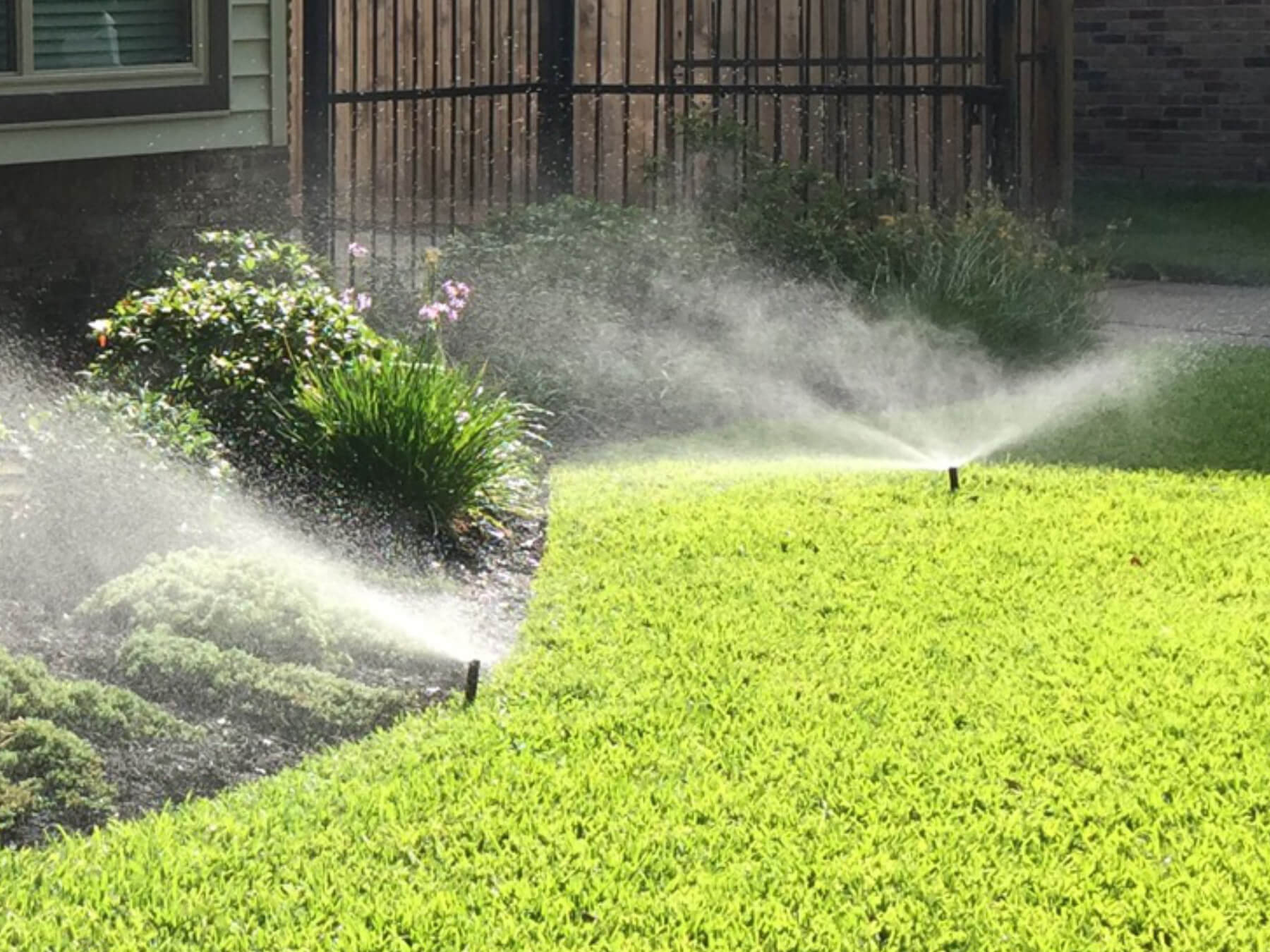
Is the irrigation system on your Houston new home build actually capable of supporting the landscape it was installed to serve, or have you been discovering the coverage gaps, zone layout limitations, and controller programming inadequacies that builder irrigation systems on Houston new construction properties consistently present when they are assessed against the performance standard that the landscape they serve actually requires? Builder irrigation systems on Houston new home builds are among the most consistently misunderstood components of new construction properties — installed as part of the builder package in ways that satisfy the coverage requirement that most Houston buyers expect and that fall short of the performance standard that proper irrigation system design produces in Houston's specific conditions.
The gap between builder irrigation and properly designed irrigation on Houston new builds is not a matter of individual component quality — builder systems use the same head brands and valve manufacturers that quality systems use. The gap is in the system design: the zone layout that consolidates areas with different water demands on the same valve, the head placement that reflects pipe routing efficiency rather than coverage analysis, the controller that lacks the smart scheduling capability that Houston's variable climate demands, and the absence of the drip irrigation that Houston ornamental beds require for the disease management and water efficiency that overhead spray cannot provide. These are design decisions rather than hardware decisions, and they produce the systematic performance limitations that hardware upgrades alone cannot correct.
At Gulf Reserve Landscape & Pools, irrigation system design and installation for Houston new home builds is part of our irrigation systems and new home build landscape services. Here is what properly designed irrigation for Houston new construction properties actually requires.
What Builder Irrigation Systems Consistently Miss on Houston New Builds
The specific limitations of builder irrigation systems on Houston new construction properties reflect the design decisions that production building economics create rather than the engineering decisions that performance-optimized irrigation design would produce.
Zone layout based on pipe routing efficiency rather than water demand analysis is the foundational design limitation that produces the coverage and performance compromises that cascade through every other aspect of builder irrigation system performance. A builder irrigation system on a Houston new build typically groups areas into zones based on the pipe routing that minimizes installation labor and material cost — running zones that connect the areas that are most convenient to connect rather than the areas that have similar water demands. The result is zones that combine full-sun St. Augustine turf with shaded areas under the house eave, zones that serve both the front lawn and a side yard area that receives entirely different sun exposure, and zones that group turf and ornamental bed areas together when these areas have fundamentally different water requirements that cannot be served correctly by a single schedule.
Head placement for coverage rather than performance is the second design limitation that builder irrigation systems consistently present on Houston new builds. Builder-installed heads are placed where the pipe routing brings them rather than where coverage analysis indicates they are needed — producing the systematic coverage gaps that appear in specific locations across the lawn where head positions do not achieve the throw radius overlap that adequate coverage requires. The coverage gap that produces the dry spot at the center of a large lawn area, the strip along the fence that no head adequately covers, and the bed area that overhead spray serves with inadequate distribution uniformity for the ornamental plantings it is supposed to support are all head placement consequences that performance-based design prevents.
Fixed-schedule controller technology is the third limitation that builder irrigation systems present on Houston new builds — the basic electronic timer that programs irrigation cycles at fixed times and durations without the ET-based scheduling intelligence that Houston's variable climate requires for efficient water management. As Blog 73 establishes for Houston irrigation water bill reduction, fixed-schedule controllers running summer-peak schedules through fall and winter are the primary cause of irrigation water waste on Houston residential properties. The builder controller that was programmed at installation and has never been adjusted delivers summer-level irrigation through Houston's cooler months at the water bill cost that ET-based scheduling eliminates.
No drip irrigation for ornamental beds is the fourth limitation that most builder irrigation systems present on Houston new builds. Builder irrigation systems serve ornamental bed areas with the same overhead spray heads that serve adjacent lawn areas — the irrigation method that Blog 104 establishes as systematically inferior to drip irrigation for Houston ornamental bed applications. Overhead spray in Houston ornamental beds promotes the foliar diseases that Gulf Coast humidity makes consequential, wastes water through evaporation and overspray, and delivers water inconsistently across the varied spacing and geometry of ornamental plantings rather than the precision delivery that drip emitters provide at each plant position.
The Irrigation Assessment That Should Precede Every Houston New Build Landscape Installation
The irrigation system assessment that precedes sod installation, ornamental planting, and other landscape improvements on Houston new builds establishes the specific performance gaps that the system presents and the corrections that need to be made before the landscape investment that depends on adequate irrigation is installed.
Zone-by-zone coverage testing — running each zone and observing every head's actual spray direction, throw distance, and coverage pattern against the lawn and bed areas the zone is supposed to serve — reveals the specific heads that are misaligned, positioned incorrectly, or failing to achieve adequate coverage in the areas they are supposed to serve. Coverage testing on a Houston new build reveals the pattern of gaps that the builder's pipe-routing-optimized head placement creates — the specific locations where the landscape will develop dry spots regardless of how well the controller is programmed unless the head positions are corrected.
Zone layout evaluation against the landscape plan — assessing whether the zone boundaries correctly separate the areas with different water demands that the proposed landscape program creates — reveals whether the builder zone layout can adequately serve the landscape that will be installed above it or whether zone additions and separations are needed before the landscape is installed. A Houston new build where the landscape plan specifies Palmetto St. Augustine in shaded rear yard areas and TifTuf Bermuda in the full-sun front yard needs zone separation between these areas to schedule the different irrigation frequencies they require — and if the builder system has combined these areas on the same zone, the correction needs to happen before sod is installed rather than after the different zones have been planted with varieties that require different irrigation programs.
Controller assessment against the smart scheduling standard that Houston's climate requires — evaluating whether the installed controller has the ET-based scheduling capability, the zone-level independence, and the rain sensor integration that efficient Houston irrigation management requires — identifies whether controller upgrade is part of the pre-installation irrigation correction program. A builder controller without ET-based scheduling on a Houston new build is a controller that will systematically overwater through fall and winter and that will require annual manual reprogramming to avoid the water waste that fixed schedules produce as Houston's seasons change.
Properly Designed Irrigation for Houston New Builds — What It Looks Like
Properly designed irrigation for Houston new construction properties addresses the zone layout, head selection, controller specification, and drip integration that the new build landscape program requires — producing a system designed for the landscape it will serve rather than the pipe routing that minimizes installation cost.
Zone layout based on water demand analysis for the specific Houston new build landscape program separates the areas with different water requirements into zones that can be scheduled independently. Full-sun St. Augustine or Bermuda turf zones separate from shaded turf zones. Ornamental bed drip zones separate from turf spray zones. Newly planted canopy tree zones separate from established turf zones. Side yard zones separate from front and rear zones where sun exposure, drainage, and use patterns create different irrigation needs. The zone count that adequate separation requires on a Houston new build is typically 12 to 18 zones for a standard suburban lot — more than the 8 to 10 zones that builder systems typically install, but the zone count that produces the scheduling independence that Houston's landscape microenvironment diversity requires.
Head selection calibrated for Houston's clay soil follows the rotary nozzle specification that Blog 06 establishes for Houston turf irrigation — the MP Rotators, R-VAN, and similar rotary nozzle products that apply water at the lower precipitation rates compatible with Houston clay's 0.1 to 0.2 inch per hour infiltration rate. Builder systems that use standard spray heads in Houston turf zones apply water at 1.5 to 2.0 inches per hour — 10 times faster than Houston clay can absorb it — producing the surface runoff that wastes irrigation water and the overwatering of the soil immediately below the heads that inadequate infiltration creates. Rotary nozzle heads at 0.4 to 0.6 inches per hour application rate deliver water within Houston clay's absorption capacity — the irrigation efficiency that the correct head selection for Houston's soil conditions produces.
Smart controller specification for Houston new builds uses the ET-based controller platforms — Hunter Hydrawise, Rain Bird ESP-TM2, Rachio 3 — that adjust zone run times automatically based on Houston's actual evapotranspiration conditions rather than the fixed schedules that builder controllers use. As Blog 73 establishes, smart controllers on Houston residential properties consistently reduce irrigation water use by 20 to 35 percent compared to fixed-schedule systems — a water cost reduction that at Houston's current water rates recovers the controller upgrade investment within 1 to 2 years on most properties.
Drip irrigation integration for Houston new build ornamental bed areas — the zone additions and drip infrastructure that properly designed new build irrigation includes from the beginning rather than adding later — provides the disease management, water efficiency, and delivery precision that ornamental plantings on Houston new builds require. Drip zone supply lines routed through ornamental bed areas during the initial irrigation installation, before mulch and plantings are established in those areas, are installed with the efficiency and cleanliness that later retrofit installation cannot match. Installing drip infrastructure as part of the initial new build irrigation program is the timing decision that produces the best installation quality at the lowest total installation cost.
Coordinating Irrigation Installation With Houston New Build Construction Sequence
Irrigation installation on Houston new builds is most efficiently executed at the specific point in the construction sequence that produces the cleanest installation and the best coordination with the other landscape components the system serves.
Mainline installation concurrent with or before hardscape positions the irrigation mainline pipes and zone valve manifolds before concrete and stone surfaces are placed over the routes they need to follow. The conduit sleeves for mainline wire crossings beneath driveway and walkway surfaces that Blog 80 establishes as the pre-move-in installation coordination point need to be placed during hardscape construction — before the surfaces that would require core drilling to accommodate post-installation mainline routing are poured or set.
Zone valve installation before planting positions the zone valve manifold in the location that the landscape layout establishes as the most accessible and most operationally appropriate — before the planting and landscape development that might later obstruct the access or the routing that the valve system requires. The valve box that is set at final grade during the initial installation is the valve box that remains accessible for service. The valve box that is set before the final grade is established and that ends up below finished grade after grading is complete requires excavation for every subsequent service call.
Head installation before sod positions the irrigation heads at the correct grade relative to the finished sod surface before the sod surface is established — the installation timing that Blog 26 establishes as the correct sequence for new sod installation on Houston properties. Heads installed at the correct grade before sod are heads that finish flush with the turf surface. Heads installed after sod require soil excavation around each head position to set it correctly — disrupting the newly established sod root zone around every head position in the installation.

Has the builder irrigation on your Houston new home build been delivering the landscape performance it should, or have the coverage gaps, zone layout limitations, and scheduling inadequacies that builder systems consistently present been affecting your landscape establishment and quality? Gulf Reserve Landscape & Pools assesses every Houston new build irrigation system personally before recommending any landscape installation that depends on it — confirming that the system can support what will be planted above it before the planting investment is made rather than discovering the gaps after they have already affected establishment.
Get your free estimate at gulfreservelandscaping.com


