




Houston Spring Landscaping Checklist — What to Do, When to Do It, and Why the Timing Matters More Than Most Homeowners Realize
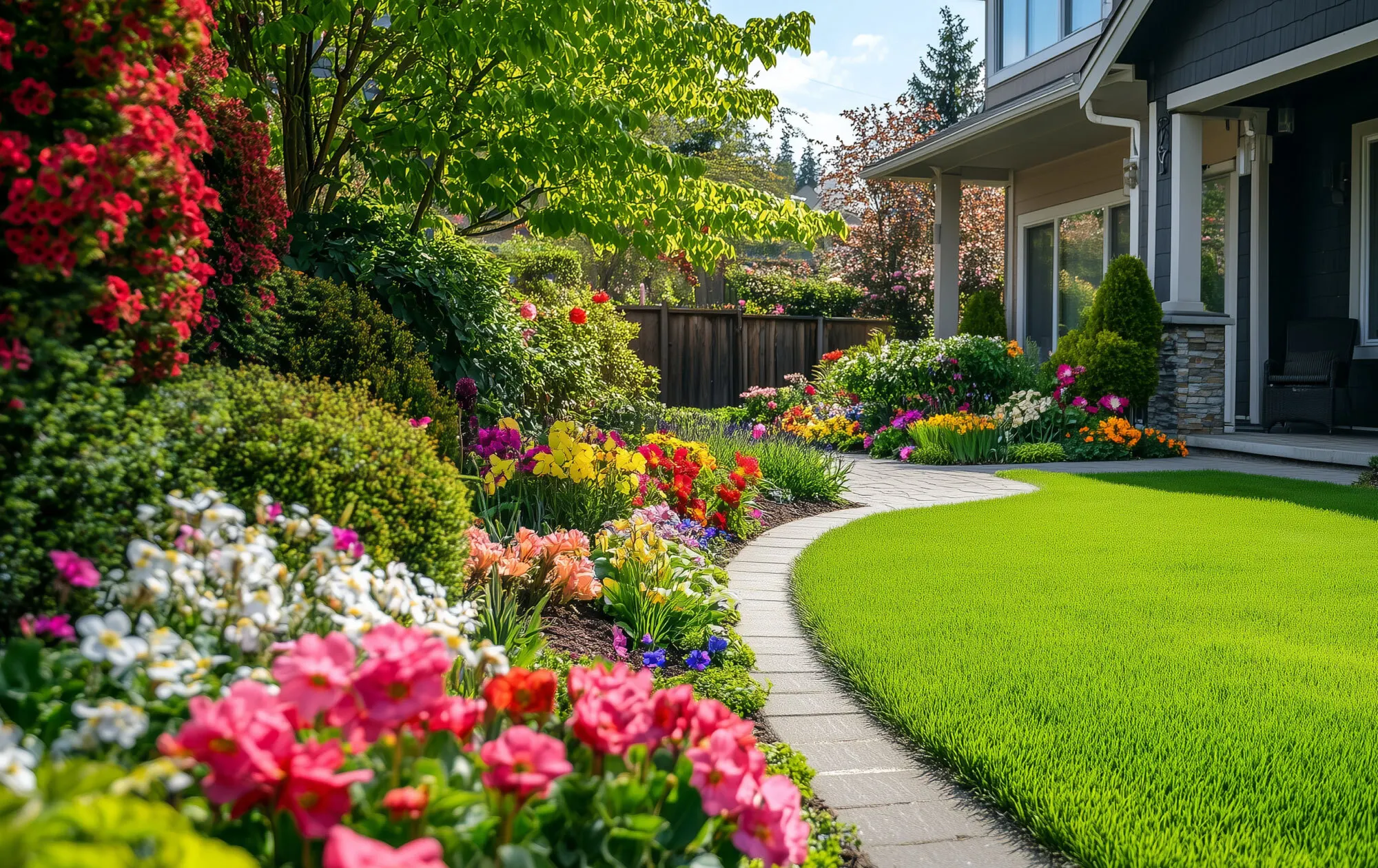
Is your Houston landscape ready for the spring growing season or are you approaching April having missed the February and March windows that most of Houston's most important spring landscape tasks require to be effective? Houston's spring landscape calendar is front-loaded in ways that most homeowners do not fully appreciate — the pre-emergent herbicide that needs to go down before soil temperatures reach 55 degrees Fahrenheit, the fertilization timing that feeds emerging turf before the demand of the growing season peaks, and the irrigation system assessment that needs to be complete before the establishment season begins all have specific timing windows that late action cannot recover.
Houston's spring growing season is genuinely exceptional — the combination of warming soil temperatures, increasing day length, and the moderate temperatures before summer heat arrives creates the landscape establishment conditions that make spring the most productive planting season of the Houston year. The Houston homeowner who approaches spring with the right preparation — soil amended, irrigation confirmed, pre-emergent applied, and plantings installed in the windows that establishment best supports — captures the full benefit of what Houston's climate makes available. The homeowner who begins spring preparation in May when the heat is already arriving misses the optimal establishment window that February through April provides.
At Gulf Reserve Landscape & Pools, spring preparation is one of the most consistent topics of the early-year client conversations we have across Houston's residential and commercial market. Here is the complete spring landscaping checklist that sets Houston landscapes up for the best possible growing season.
February — The Pre-Season Work That Determines Spring Success
February is the month when most of Houston's most important spring landscape preparation needs to happen — before the soil temperatures that trigger weed germination and before the establishment season that new plantings benefit from most.
Pre-emergent herbicide application is the single most time-sensitive February landscape task for Houston properties — and the one whose missed window is most difficult to compensate for after the fact. As Blog 15 establishes, Houston's summer annual weed species — crabgrass, grassbur, and doveweed — germinate when soil temperatures reach 55 degrees Fahrenheit at the 2-inch depth, a threshold that Houston's soil typically crosses in late February or early March depending on the year's weather pattern. Pre-emergent herbicide applied before this threshold creates the chemical barrier that prevents germination. Pre-emergent applied after the threshold is crossed does not kill germinated weeds — it simply prevents new germination while the already-germinated weeds establish.
The pre-emergent products appropriate for Houston lawns in February — granular products including Pendimethalin and Prodiamine in formulations labeled for the specific turf variety on the property — need to be watered in within 48 hours of application to activate the pre-emergent barrier in the soil. February in Houston typically provides adequate rainfall to water in pre-emergent naturally — but a dry February may require irrigation activation to water in the application before the soil temperature threshold is reached.
Soil testing submission in February — sending samples to the Texas A&M AgriLife Extension laboratory before spring planting and fertilization decisions are made — provides the pH, nutrient, and organic matter data that calibrates spring soil amendment and fertilization correctly rather than applying generic programs to unknown conditions. The 10 to 14 day turnaround that the AgriLife laboratory typically provides in February means that results are available before the March planting windows that most spring landscape improvements target. Soil testing in April after planting has already begun does not change the conditions the plants are growing in — it identifies what they are growing in after the fact rather than before the decisions that would have responded to the results.
Irrigation system spring assessment — the zone-by-zone evaluation that confirms the irrigation system is operational, correctly programmed for Houston's spring schedule, and delivering adequate coverage before the establishment season begins — is the February preparation that prevents the irrigation failure that sod installation and spring planting without confirmed coverage create. As Blog 61 establishes, the pre-season system assessment that identifies the coverage gaps, head failures, and controller programming issues that accumulated over winter is most efficiently addressed before the spring planting season rather than after new installations are already depending on the system.
March — The Primary Spring Planting and Establishment Window
March is Houston's primary spring planting window — the month when soil temperatures are actively warming through the range that supports aggressive root development, when moderate temperatures reduce establishment heat stress, and when the full growing season ahead provides the time for newly installed plants and sod to establish before the summer heat that challenges stressed plantings arrives.
Sod installation in March captures the establishment advantages that Blog 61 establishes as the defining benefits of spring installation timing — soil temperatures warming through the 60 to 70 degree range that drives aggressive warm-season grass root development, moderate ambient temperatures that reduce evapotranspiration stress on establishing sod, and the full warm growing season ahead that allows root systems to develop the depth and density that drought tolerance and summer performance require. March-installed Houston sod that roots correctly through April and May enters summer with the established root system that sustains quality through Houston's peak heat far better than summer-installed sod that has been establishing for only weeks when peak heat arrives.
Ornamental planting installation in March benefits from the same soil temperature and establishment timing advantages that sod installation captures — plus the spring rainfall that Houston's March weather pattern typically provides to supplement establishment irrigation. Spring-planted Houston ornamentals that establish through March and April before summer heat arrives have the root systems that sustain quality through summer that fall-planted or summer-planted ornamentals do not develop before heat stress challenges them. The Houston landscape improvement that installs premium ornamental plantings in March on properly amended soil with confirmed irrigation produces the establishment success that the same planting in June heat on the same soil with the same irrigation cannot match.
Spring fertilization — the first fertilization of the growing season that feeds emerging Houston turf as it breaks dormancy and enters the active growing phase — is appropriately timed for late March to early April in Houston's climate. Fertilizing too early — before the turf has broken dormancy and resumed active growth — wastes fertilizer on turf that is not yet metabolically active enough to take it up and that the pre-emergent application may have recently established a chemical barrier around. Fertilizing at the right timing — when the turf is visibly greening and actively growing — delivers nutrients at the moment the plant is actively using them.
The fertilization product appropriate for Houston spring lawn feeding reflects the soil test results from February — the ammonium sulfate or slow-release nitrogen product that provides nitrogen with the mild acidification benefit appropriate for Houston's alkaline soil rather than the balanced NPK fertilizer that adds phosphorus and potassium to soil that typically has adequate levels of both and does not benefit from additional applications.
Ornamental bed pre-emergent application in spring — a separate application from the lawn pre-emergent that uses products safe for the specific ornamental plantings in the bed — protects Houston ornamental beds from the summer annual weeds that soil disturbance from planting and the open soil between new plantings enables to establish rapidly in Houston's warm spring conditions. Ornamental bed pre-emergent applied after spring planting is complete — after the soil disturbance of planting has finished and before weed germination season peaks — creates the weed suppression barrier that reduces the manual weeding that Houston's spring weed pressure otherwise requires through the summer months.
April — The Late Spring Completion Window and Summer Preparation
April is the final window for spring planting establishment before Houston's summer heat makes establishment more demanding — and the month when summer preparation begins for the irrigation management, pest monitoring, and landscape care that Houston's summer requires.
Final spring planting in April completes the spring installation program with plantings that benefit from April's warm but not yet peak summer temperatures — the warm-season annuals for summer color that replace the spring flowering that cool temperatures supported, the tropicals and heat-loving ornamentals that thrive in Houston's warm conditions, and the final sod areas that installation scheduling deferred from March.
The April planting decisions that most directly affect summer performance are the seasonal color replacements that bridge the spring-to-summer color transition — replacing the pansies, snapdragons, and petunias of the spring rotation with the pentas, vinca, and angelonia that perform in Houston's summer heat. The timing of this replacement needs to account for the spring color program's declining performance as temperatures rise — replacing before complete decline rather than after maintains the continuous color display that quality Houston landscape maintenance programs deliver through seasonal transitions.
Chinch bug monitoring initiation in April — the beginning of the proactive monitoring program that Blog 16 establishes as the correct approach for Houston St. Augustine chinch bug management — is the spring preparation that prevents the reactive response to established damage that monitoring misses creates. As Blog 16 establishes, chinch bug populations in Houston St. Augustine can expand from undetectable to economically damaging densities within 4 to 6 weeks during Houston's warm months — making the every-two-week monitoring that catches emerging populations before they produce visible damage the program standard that protects Houston lawns through the May through September risk period.
Irrigation seasonal programming update for summer — transitioning the controller from the spring schedule that moderate temperatures and spring rainfall support to the summer schedule that Houston's peak evapotranspiration demand requires — is the April irrigation management task that prevents the underwatering that a spring schedule produces as summer heat arrives. As Blog 06 establishes, smart controllers with ET-based scheduling make this transition automatically in response to actual evapotranspiration conditions rather than requiring the manual schedule update that fixed-schedule controllers depend on the homeowner to perform consistently.
Mulch refresh in April — applying fresh mulch to ornamental beds before summer to replenish the depth that winter weather has reduced and to establish the moisture conservation barrier that summer heat demands — is the spring bed maintenance task that most directly affects ornamental planting performance through Houston's summer heat. As Blog 26 establishes for pre-sod mulch programs, the 3-inch mulch depth that moisture conservation requires in Houston's summer heat needs to be established before summer peak temperatures arrive rather than applied after summer establishment stress has already begun.
The Pre-Summer Assessment — What to Check Before June Arrives
The pre-summer assessment that confirms the Houston landscape is prepared for the demands that June through August create — the highest-stress period of the Houston landscape year — is the final spring preparation step that prevents the summer failures that unidentified conditions produce when heat stress amplifies every existing problem.
Turf density and color assessment before summer — observing the turf across the full property and noting any areas that have not greened up fully, any areas with persistent thin or bare zones, and any color inconsistency that indicates pH problems, coverage gaps, or pest and disease issues — identifies the problems that summer heat will amplify before summer arrives rather than after. The thin zone that can be addressed with targeted overseeding in May cannot be addressed with sod installation in July without the intensive establishment management that summer heat demands. The yellow zone from pH-driven iron chlorosis that a chelated iron application in April would improve rapidly becomes a persistently stressed area through summer if it is not addressed before the heat of June arrives.
Hardscape condition assessment before summer — inspecting concrete, stone, and hardscape components for the crack development, settlement, and drainage issues that winter weather and spring moisture cycling have produced — identifies the repair needs before the summer heat that makes outdoor concrete work more challenging arrives. The crack that is hairline width in May becomes wider and more water-infiltrating through summer's thermal cycling if it is not sealed before summer begins.
Tree health assessment before summer — observing the canopy health of significant trees as they leaf out in spring and identifying any canopy dieback, unusual leaf size or color, or structural concerns that may have developed since the previous season's assessment — is the spring landscape management task that catches emerging tree health issues before summer heat amplifies them. As Blog 42 establishes for aging Houston landscape properties, the tree health that spring leaf-out reveals is the most timely assessment opportunity of the year — the point when developing problems are most visible and most responsive to early intervention.

Wondering whether your Houston landscape is fully prepared for the spring and summer growing season — or whether there are preparation steps your property needs before the peak of the season arrives? Gulf Reserve Landscape & Pools walks Houston properties personally in the pre-season period — assessing soil conditions, irrigation readiness, turf health, and the specific preparation needs that each property requires before the growing season makes those preparations most impactful.
Get your free estimate at gulfreservelandscaping.com


