




Houston Rain Gardens — How to Turn a Drainage Problem Into a Landscape Feature That Works
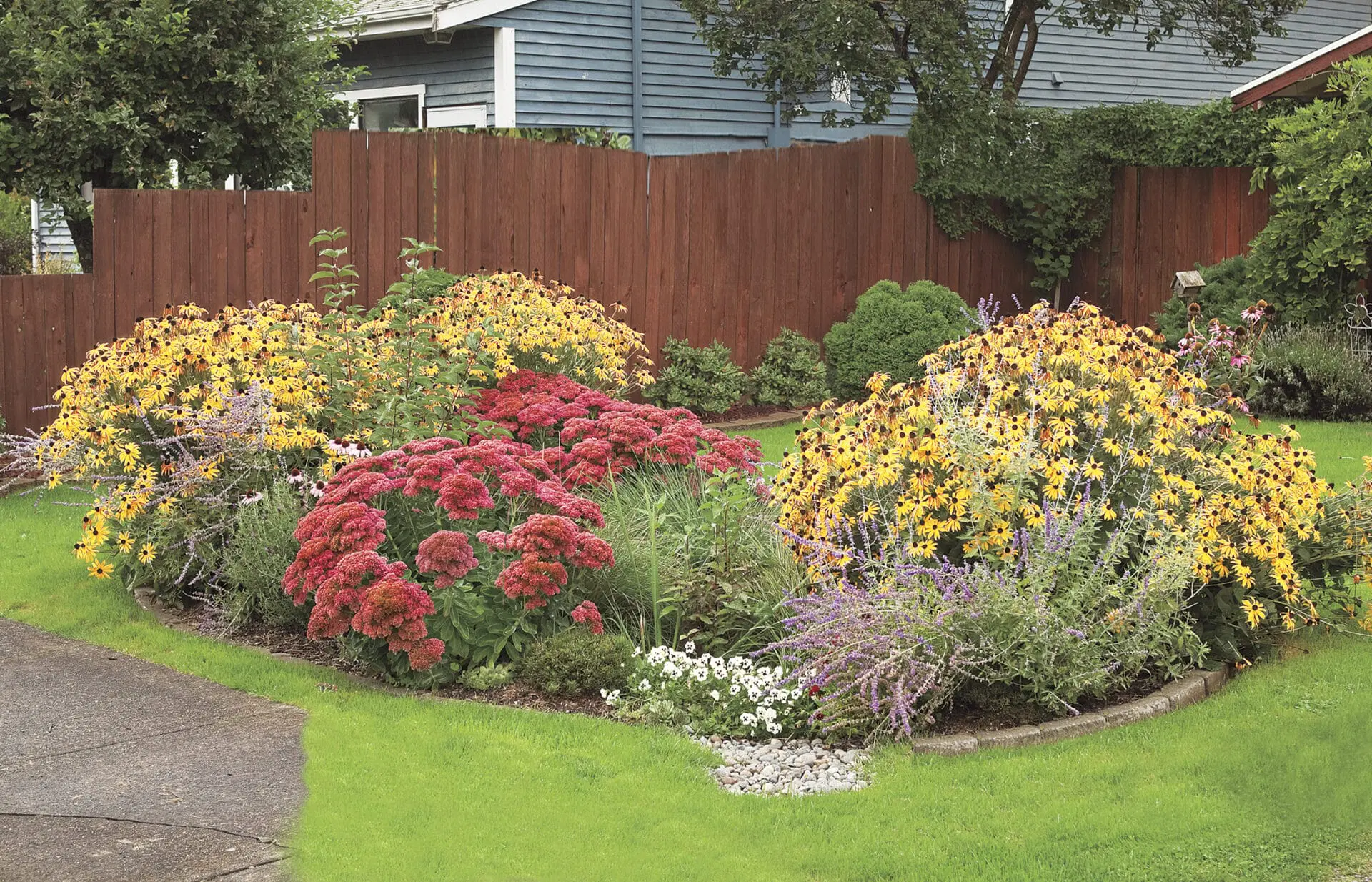
Does your Houston property have a low spot that collects water after every rain event — the soggy area that is too wet to plant successfully, too visible to ignore, and too persistent to address with simple grading without creating drainage problems elsewhere on the property? Or are you looking for a landscape approach that addresses Houston's drainage challenges while adding genuine ecological and aesthetic value to the outdoor environment rather than simply moving the water problem from one location to another? Houston rain gardens — the designed planting features that collect, absorb, and filter stormwater runoff while creating genuine landscape beauty — are one of the most effective and most underutilized landscape solutions available for Houston residential properties dealing with drainage challenges that standard approaches address inadequately.
A rain garden is not simply a wet area with water-tolerant plants — it is a specifically designed depression with engineered soil composition, carefully selected plant communities, and overflow management that creates a functional stormwater management feature while providing the aesthetic and ecological benefits that most drainage infrastructure cannot. Houston rain gardens designed and installed correctly — with the soil amendment that promotes infiltration in Houston's clay, the native plant palette that tolerates both the periodic inundation and the dry periods between rain events, and the overflow management that prevents ponding beyond the design water retention period — address drainage problems permanently rather than simply managing their symptoms.
At Gulf Reserve Landscape & Pools, rain garden design and installation is part of our full landscape makeover and irrigation systems services across Houston's residential market. Here is what properly designed Houston rain gardens actually involve.
What Makes Houston Rain Garden Design Different
Houston's specific conditions create rain garden design requirements that generic rain garden guidance — much of which addresses cooler, wetter climates with different soil conditions — does not adequately address.
Houston clay soil is the primary design challenge for Houston rain gardens — the same slow-infiltration clay that creates drainage problems generally creates the infiltration limitation that rain garden function depends on overcoming. Standard rain garden design assumes infiltration rates of 0.5 to 1.0 inch per hour — rates that Houston's native clay at 0.1 to 0.2 inches per hour does not achieve without the soil amendment that creates the amended rain garden growing medium from the native clay substrate. Houston rain gardens that are excavated and planted without soil amendment into native clay produce features that hold water rather than infiltrating it — creating the extended ponding that mosquito habitat concerns and plant mortality from saturation make problematic rather than the 24 to 48 hour drawdown that properly designed rain gardens achieve.
Houston's rainfall intensity — the 50-plus inches of annual rainfall that Houston receives, frequently in intense events that deliver 2 to 4 inches in a few hours rather than the light, steady rain that less intense climates produce — creates the overflow management requirement that Houston rain garden design needs to address. A Houston rain garden sized for the average rainfall event will be overwhelmed by the intense events that Houston's Gulf Coast weather pattern produces regularly — the overflow outlet design that routes excess flow safely away from the rain garden when it exceeds capacity is the engineering component that prevents the flooding that undersized or overflow-unmanaged Houston rain gardens experience during significant rain events.
Houston's dry periods between rain events — the extended dry spells that Houston's summer weather pattern creates between the intense rain events that characterize Gulf Coast precipitation — require the rain garden plant palette to tolerate both the periodic inundation during rain events and the extended dry conditions between them. Most rain garden plant guidance recommends wet-tolerant species — plants appropriate for consistently moist conditions — that do not survive Houston's dry periods without the supplemental irrigation that defeats the purpose of a rain garden designed to manage water naturally. The Houston-specific rain garden plant palette needs the species that are genuinely drought tolerant between events and flooding tolerant during them — a combination that native Texas species deliver more reliably than the rain garden plant palettes from other regions.
Houston Rain Garden Site Selection and Sizing
Rain garden site selection on Houston properties follows the assessment criteria that locate the feature where it can most effectively collect the runoff it is designed to manage while meeting the setback requirements that protect structures from the water it temporarily holds.
Locating the collection point for Houston rain gardens — positioning the garden where it can receive the runoff from the impervious surfaces and drainage areas it is intended to capture — requires the drainage assessment that Blog 04 establishes as the starting point for Houston drainage design. The rain garden positioned to receive roof drainage from a downspout, parking area runoff from a concrete drive, or the concentrated flow from a swale that collects property drainage is a rain garden that will fill during every significant rain event and provide genuine drainage benefit. The rain garden positioned in an area that does not naturally receive concentrated runoff requires the piping and inlet design that directs runoff to it — adding installation cost but enabling placement in a location that serves the landscape design intent rather than being dictated purely by existing drainage patterns.
Setback from structures for Houston rain gardens — the minimum distance from the house foundation, basement walls if present, and septic systems that prevents the temporarily retained water from migrating toward these structures — is the siting constraint that protects the property from the moisture damage that poorly located rain gardens create. Houston rain garden setbacks from house foundations should be a minimum of 10 feet — increased to 15 to 25 feet on properties with known foundation moisture sensitivity — to ensure that the water retained in the rain garden drains toward the garden rather than toward the foundation.
Rain garden sizing for Houston properties follows the calculation that matches the garden's water retention volume to the drainage area it is designed to serve and the rainfall depth that the design storm represents. The sizing calculation for a Houston rain garden serving 1,000 square feet of roof drainage area — accounting for Houston's clay soil amended infiltration rate, the design storm rainfall depth, and the ponding depth that the garden's depth and footprint create — is a specific calculation that produces a specific garden size rather than the approximate sizing that "bigger is better" approaches substitute for engineering.
Houston Rain Garden Soil Amendment and Construction
The soil amendment and construction process for Houston rain gardens creates the infiltration-promoting growing medium that native clay cannot provide — the foundational difference between a Houston rain garden that functions correctly and one that simply holds water.
Excavation depth for Houston rain gardens — typically 18 to 24 inches below the surrounding grade — removes the native clay that would limit infiltration and creates the volume for the amended growing medium that rain garden function requires. The excavated native clay is removed from the site or used in other areas of the landscape where its drainage-limiting properties are not problematic — not backfilled into the rain garden where it would recreate the infiltration limitation the excavation was designed to remove.
Growing medium composition for Houston rain gardens follows the amended soil specification that balances infiltration rate, water retention between events, and fertility for the plant palette — typically 50 to 60 percent coarse sand, 20 to 30 percent compost, and 20 to 30 percent native topsoil at ratios that produce the 0.5 to 1.0 inch per hour infiltration rate that rain garden function requires. The specific ratios within this range reflect the balance between drainage performance and plant establishment needs — growing media with higher sand content drain faster but have lower fertility and water retention for establishing plants, while higher compost content improves fertility and establishment but reduces infiltration rate if organic matter content is excessive.
Overflow outlet design for Houston rain gardens — the outlet structure that routes excess flow safely away from the garden when rainfall intensity or volume exceeds the garden's design capacity — is the engineering component that prevents the flooding and erosion that overflow without a designed outlet creates. Houston rain garden overflow outlets can be constructed as simple riprap spillways at the garden's low point that direct overflow to an adjacent lawn area with adequate receiving capacity, or as piped connections to the storm drainage system for urban Houston properties where overflow to lawn areas is not practical.
Houston Rain Garden Plant Selection
Plant selection for Houston rain gardens is the most visible design decision and the one that most directly determines whether the rain garden reads as an intentional landscape feature or an unkempt wet area. The Houston-specific rain garden plant palette includes the native and adapted species that tolerate both the periodic inundation and the extended dry periods between events that Houston's climate creates.
Canopy and large shrub layer for Houston rain gardens includes the species that provide vertical structure and the root mass that promotes infiltration at depth — bald cypress for rain gardens with space for larger specimens, possumhaw holly for four-season ornamental interest including the red berry display that Houston's mild winters leave on the plant through the holiday season, and buttonbush for the white ball flowers that attract pollinators and the excellent wet-soil performance that makes it one of Houston's most reliable rain garden shrubs.
Mid-layer shrubs and perennials for Houston rain gardens include the species that provide the primary ornamental interest and the planting mass that gives the rain garden its planted character — turk's cap for the hummingbird-attracting red flowers through Houston's long flowering season, Louisiana iris for the spectacular spring bloom that soggy Houston conditions that other iris species cannot tolerate present no obstacle to, swamp rose mallow for the large pink flowers that perform in Houston rain garden conditions, and inland sea oats for the graceful arching form and shade tolerance that make it one of Houston's most versatile rain garden grasses.
Ground layer species for Houston rain gardens provide the low-growing cover that suppresses weeds between larger plants and completes the multi-layer planting composition — creeping jenny for the bright chartreuse ground cover that tolerates periodic inundation and provides year-round color, blue-eyed grass for the delicate blue flowers that appear in Houston's spring and fall, and water hyssop for the dense mat-forming habit that covers the rain garden floor between taller plants.
Houston Rain Garden Maintenance
Houston rain garden maintenance is lighter than most homeowners expect — one of the advantages of native plant-based landscape features that are designed for the specific conditions they occupy rather than fighting against those conditions.
Establishment period management during the first growing season after Houston rain garden installation — supplemental irrigation during dry periods, weed management before the planted species establish enough density to suppress weeds, and monitoring for plant health through the summer heat of the first year — is the most active maintenance period that Houston rain gardens require. After establishment — typically achieved within one to two growing seasons for most Houston-appropriate rain garden species — the native and adapted plants in the rain garden require minimal intervention beyond the annual maintenance described below.
Annual maintenance program for established Houston rain gardens includes early spring cutback of the previous season's stems and seed heads, spring mulch refresh to maintain the 2 to 3 inch mulch depth that suppresses weeds and conserves moisture between rain events, late spring pre-emergent herbicide application at the rain garden edges to reduce weed pressure in the established planting, and fall inspection of the overflow outlet to confirm it is clear of debris before Houston's fall rain season begins.
Sediment management in Houston rain gardens — removing the sediment that stormwater runoff deposits in the rain garden over years of operation — is the periodic maintenance that prevents the sediment accumulation from reducing the rain garden's water storage capacity over time. Houston rain gardens serving drainage areas with significant sediment loads — properties with bare soil areas, construction sites upstream, or significant impervious surfaces that concentrate sediment-laden runoff — may require sediment removal every 3 to 5 years to maintain infiltration performance.

Wondering whether a rain garden is the right solution for the drainage challenge on your Houston property? Gulf Reserve Landscape & Pools assesses every Houston drainage situation personally — evaluating the specific runoff sources, soil conditions, site constraints, and the landscape design context before recommending whether a rain garden or another drainage approach is the right investment for your specific property.
Get your free estimate at gulfreservelandscaping.com


