




Houston New Home Build Landscape Planning Timeline — When to Start, What to Decide, and How to Sequence Every Component for Success
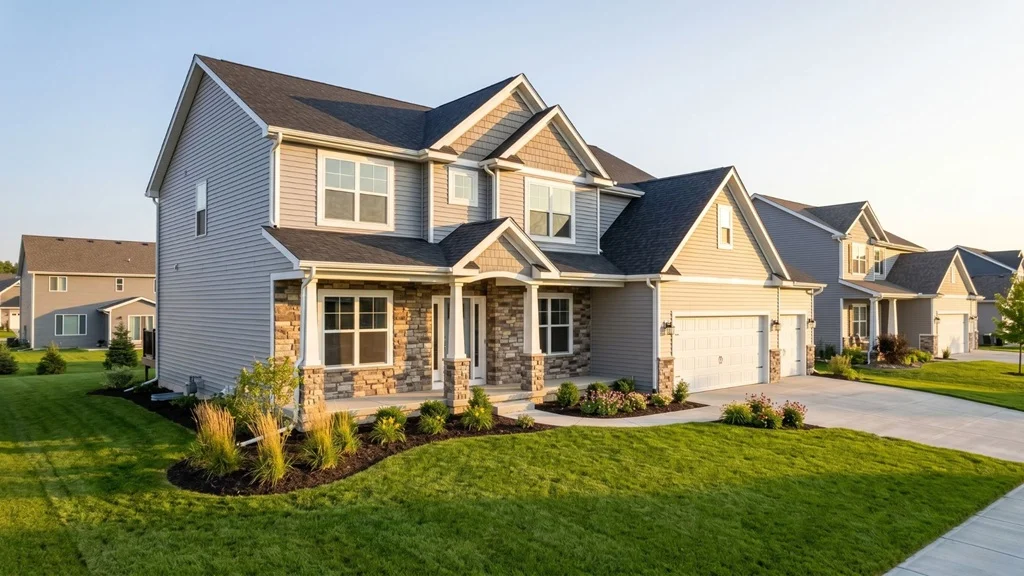
Are you approaching the completion of your Houston new home build and trying to figure out when to start thinking about the landscape — or have you already moved in and realized that the landscape decisions you deferred are now more complicated and more expensive than they would have been if you had addressed them before taking possession? The timing of landscape planning on Houston new home builds is one of the decisions that most directly affects both the cost and the quality of the finished outdoor environment — and the homeowners who start the planning process too late consistently spend more, achieve less, and deal with more construction disruption than those who begin planning at the right point in the building process.
The right time to start Houston new home build landscape planning is not after you move in. It is not even after the builder completes construction. It is during construction — early enough that the landscape program can be designed with knowledge of the home's architecture and site conditions, early enough that the pre-move-in installation window Blog 36 establishes as the highest-value landscape development opportunity can be used fully, and early enough that the construction sequencing that makes landscape installation most efficient and most cost-effective is actually available rather than already foreclosed by a completed, occupied property.
At Gulf Reserve Landscape & Pools, new home build landscape planning is one of the most common conversations we have with Houston homeowners in the months before and immediately after their build completes. Here is the complete timeline and planning framework that sets Houston new home build landscapes up for success.
6 to 8 Months Before Move-In — The Planning Foundation
The landscape planning process for a Houston new home build should begin 6 to 8 months before the anticipated move-in date — early enough that design work, permit applications, and material lead times can be accommodated without rushing the decisions that determine the landscape program's quality and performance.
Architect and builder coordination at this stage establishes the landscape program's relationship to the home's construction — the conduit sleeves for landscape lighting wire that need to be placed during concrete pours, the irrigation mainline that needs to be stubbed out at the meter connection before the driveway is poured over it, and the drainage connections that need to be coordinated with the builder's grading program before final site work is complete. These coordination items cannot be efficiently addressed after the relevant construction phases have been completed — they need to be identified and communicated to the builder during the construction phase when they are still accessible.
Site assessment scheduling — planning the landscape contractor's first site visit for the property during or immediately after construction completion when site conditions are fully visible — establishes the assessment baseline that the landscape design needs. As Blog 36 establishes, the pre-move-in assessment covers soil conditions, drainage behavior, sun and shade mapping, existing utility locations, and the regulatory context that governs what can be built on the specific lot.
Budget framework establishment at this stage allows the landscape program to be designed within the financial parameters that the homeowner has established rather than designed to maximum scope and then value-engineered after the proposal surprises the homeowner. Houston new home build landscape program budgets range from the 15,000 to 40,000 dollar range for standard suburban lots with essential improvements — drainage correction, soil amendment, irrigation installation, sod, and foundational ornamental planting — to the 80,000 to 250,000 dollar range for luxury new builds with comprehensive outdoor living programs including natural stone hardscape, custom lighting, and premium planting.
HOA pre-consultation for Houston new builds in master-planned communities — confirming with the HOA's architectural review process what landscape elements will require approval submissions and what the submission requirements and review timelines are — prevents the discovery of approval requirements after landscape design and material procurement have proceeded on the assumption that the planned work was approvable. As Blog 20 establishes, Houston master-planned community HOAs have specific landscape standards that govern visible modifications — and the pre-consultation that confirms what is approvable before the design is finalized saves the redesign cost that post-design approval denial requires.
3 to 5 Months Before Move-In — Design and Approval Phase
With the planning foundation established, the design and approval phase produces the complete landscape plan and obtains the regulatory approvals that allow construction to proceed without interruption when the pre-move-in installation window opens.
Landscape design development at this stage produces the complete outdoor environment vision — drainage infrastructure layout, hardscape design with material specifications, planting plan with species and sizes, irrigation system design, and lighting design — as a unified composition that addresses every component in the correct relationship to every other component. As Blog 33 establishes, the landscape design that treats every component as part of a unified system rather than independent decisions made without coordination produces the cohesive result that the homeowner envisioned rather than the accumulation of individual improvements that individual decisions without a governing plan creates.
The design development phase for Houston new home builds specifically addresses the site-specific conditions that the assessment revealed — the drainage infrastructure that the drainage behavior assessment indicated is needed, the soil amendment program that the soil test results indicate is required, the irrigation zone layout that the specific landscape program's water demand distribution requires, and the hardscape specification that Houston's clay soil conditions demand for the quality and service life the investment should produce.
HOA submission preparation and filing for Houston new builds in master-planned communities — preparing the submission package with site plan, material specifications, and supporting documentation that the community's architectural review committee requires — needs to be completed with enough lead time before the planned construction start that the review period does not delay the pre-move-in installation window. As Blog 20 establishes, Houston HOA review periods are typically 30 to 45 days for complete submissions — filing 60 days before the planned construction start provides adequate buffer for the review period and for responding to any conditions the committee imposes.
Material procurement for Houston new home build landscape programs with long-lead-time components — custom-ordered natural stone, specialty plant material at impact sizes, specific smart controller platforms — needs to begin at this stage to ensure availability when the pre-move-in installation window opens. Natural stone at the quantities that significant Houston hardscape programs require has lead times that can extend 4 to 8 weeks from order to delivery — procurement that begins during the design phase rather than after approvals are obtained prevents the installation delays that late material procurement creates.
4 to 8 Weeks Before Move-In — Pre-Move-In Installation Window
The pre-move-in installation window — the period between construction completion and move-in when the property is unoccupied and landscape installation can proceed with unrestricted site access and the correct construction sequence — is the highest-value landscape development opportunity on a Houston new home build and the window that the 6 to 8 months of planning described above has prepared the program to fully utilize.
Drainage infrastructure installation is the first phase of pre-move-in landscape work — addressed before any surface components are installed above or around the drainage system. French drain networks, channel drain installation, downspout management improvements, and grade corrections that the drainage assessment indicated are needed proceed on the clear, unoccupied lot where trench access and grade modification equipment can operate without the landscape and household constraints that post-occupancy work faces. As Blog 36 establishes, drainage installation on an unoccupied Houston new build is significantly less expensive and less disruptive than the same drainage work performed after landscape is established and the household is occupying the property.
Soil remediation — core aeration at aggressive spacing, compost incorporation to 6-inch depth, elemental sulfur amendment at the rate the soil test indicated, and starter fertilizer incorporation — follows drainage installation on the clear, graded soil surface that the drainage work has prepared. The 2 to 4 week period between soil remediation and sod installation that effective sulfur processing and surface settlement requires is accommodated within the pre-move-in window when the installation timeline is planned with this interval in mind.
Hardscape installation — concrete pours, natural stone setting, and the base preparation that Houston's clay conditions require for each hardscape component — follows soil remediation and proceeds before adjacent planting occupies the areas that hardscape construction equipment needs to access. The concrete curing period — minimum 7 days before foot traffic, 28 days for full strength — is accommodated within the pre-move-in window when hardscape is scheduled early enough in the installation sequence.
Irrigation system installation — zone valve installation, mainline routing, lateral pipe and head placement, controller installation and programming — follows hardscape completion and precedes sod and planting installation. The irrigation system that is confirmed as operational and programmed for the establishment period before the first roll of sod arrives is the irrigation system that supports establishment from day one rather than the system that is still being commissioned while the sod is beginning to stress in Houston's heat.
Tree installation — canopy trees at 3 to 4 inch caliper in the permanent positions that the planting design established — follows irrigation installation and precedes groundcover and perennial planting. Trees at installation sizes that make immediate visual impact establish the canopy structure of the landscape from the first day and begin the root development that gives them the establishment advantage over trees installed in subsequent years.
Sod installation — the final surface installation component — follows all other components and installs the lawn surface on the properly prepared, amended, and graded soil with the irrigation system confirmed operational and the establishment period schedule programmed. As Blog 25 establishes, Houston sod established on correctly prepared soil with adequate irrigation support roots to full establishment in 35 to 45 days during the warm growing season — producing a fully established lawn that the household moves into rather than a freshly installed lawn that still needs the intensive establishment management that occupied property installation requires.
Lighting installation — low-voltage wire routing, fixture placement, and transformer installation — follows sod and planting installation as the final phase of the pre-move-in landscape program. Lighting fixtures positioned against the actual installed landscape conditions — the actual tree sizes and positions, the actual stone surface textures and colors, the actual spatial experience of the finished outdoor rooms — produce the design calibration that pre-landscape lighting positioning cannot achieve.
Move-In Through First Growing Season — Establishment and Optimization Phase
The move-in through first growing season phase transitions the landscape program from installation management to establishment management and then to the ongoing maintenance program that protects the investment through its first full year.
Establishment irrigation management during the first 35 to 45 days after move-in — the week-by-week transition from establishment irrigation frequency toward established turf scheduling that Blog 25 establishes — is the management responsibility that the household takes on at move-in on properties where sod was installed in the pre-move-in window. The irrigation system programmed for the establishment period schedule before move-in makes this management primarily monitoring rather than active adjustment — confirming that the system is running as programmed, observing for establishment progress indicators, and making the schedule adjustments as establishment progresses.
Post-establishment irrigation optimization — transitioning the controller programming from the establishment period schedule to the seasonal maintenance schedule appropriate for Houston's current conditions — is the irrigation management milestone that marks the completion of the active establishment phase and the beginning of the ongoing maintenance program that protects the landscape investment long-term.
First-season soil amendment follow-up — the elemental sulfur reapplication that the ongoing pH management program requires in the months after the pre-move-in soil remediation — continues the pH correction process that the pre-move-in sulfur application began. As Blog 01 establishes, meaningful pH correction in Houston clay takes 6 to 12 months of sulfur processing — the pre-move-in application starts the process, and the first-season follow-up maintains the correction momentum through the first growing season.
First-season pre-emergent herbicide timing — the late February application that Blog 09 establishes as the most important spring landscape task for Houston properties — protects the new sod from the summer annual weed germination that Houston's warming spring soil temperatures trigger. New sod on a Houston new build property that enters spring without a pre-emergent application is sod that will face the crabgrass, grassbur, and doveweed germination that Houston's spring weed pressure consistently generates — and the weed prevention that pre-emergent timing provides is far more cost-effective than the post-emergent control that established weeds require.
The Planning Framework Summary — Key Decisions and Their Timing
6 to 8 months before move-in: Begin landscape contractor conversations, establish budget framework, coordinate with builder on construction-phase landscape items, schedule site assessment, begin HOA pre-consultation if applicable.
4 to 6 months before move-in: Complete landscape design, submit HOA applications, begin long-lead-time material procurement, finalize contractor selection and execute contracts.
8 to 12 weeks before move-in: Confirm construction completion timeline, schedule pre-move-in installation phases, confirm material deliveries, confirm permit status where applicable.
4 to 8 weeks before move-in: Execute pre-move-in installation in correct sequence — drainage, soil remediation, hardscape, irrigation, trees, sod, lighting.
Move-in through 60 days: Establishment irrigation management, establishment monitoring, transition to maintenance scheduling.
First growing season: Follow-up soil amendment, pre-emergent herbicide timing, irrigation seasonal optimization, first-season pest and disease monitoring.

Not sure where your Houston new home build landscape planning stands — or whether you have the time before move-in to complete the pre-move-in installation program that Blog 36 establishes as the highest-value landscape development opportunity? Gulf Reserve Landscape & Pools walks every Houston new build property personally — assessing construction completion timeline, site conditions, and the specific landscape program that your property requires before recommending scope, sequence, or budget.
Get your free estimate at gulfreservelandscaping.com


