




Houston Hardscape Design Ideas for Outdoor Living Spaces — What Actually Works in Gulf Coast Conditions and Gets Used Year-Round
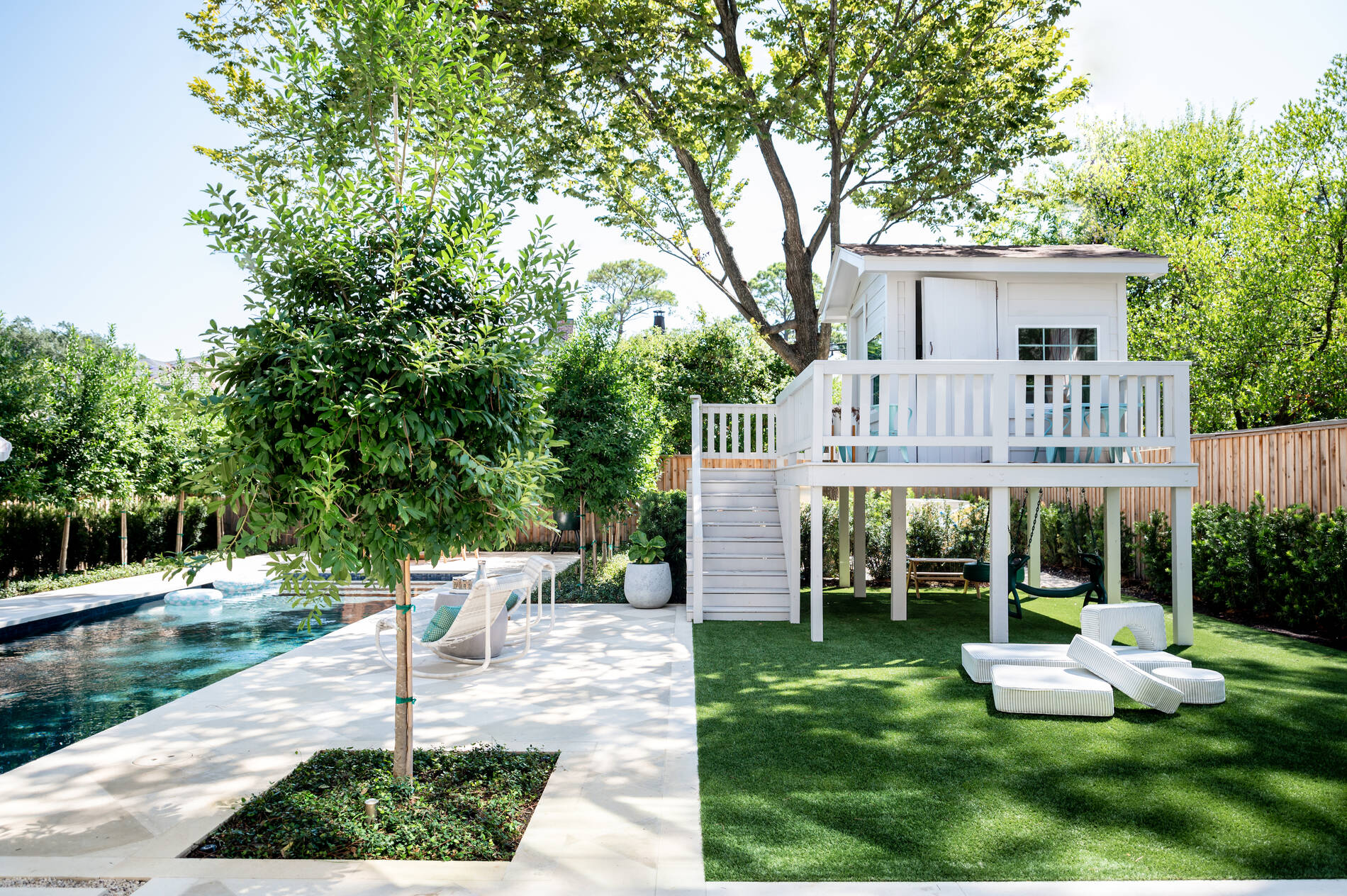
Are you trying to figure out what your Houston outdoor space could become — scrolling through design inspiration that looks beautiful in photographs but leaves you wondering whether those designs actually work in Houston's specific conditions, or whether the outdoor living environment you are imagining is achievable on your specific property? Houston's outdoor living season is genuinely exceptional — 9 to 10 months of weather that makes outdoor dining, entertaining, and simply being outside a genuine daily possibility rather than a rare opportunity. The hardscape that makes these possibilities real — the patios, pathways, outdoor kitchens, covered spaces, and the connecting elements that create a cohesive outdoor living environment — needs to be designed specifically for what Houston's climate, soil conditions, and outdoor living culture actually demand.
Generic hardscape design inspiration — the magazine spreads and Pinterest boards that most homeowners reference when planning outdoor improvements — does not filter for Houston-specific performance. The dark concrete patio that photographs dramatically but reaches 150 degrees Fahrenheit in Houston's July afternoon sun. The manufactured paver system installed directly on sand over Houston clay that looks uniform at installation and develops the wave pattern that clay movement beneath it produces within three seasons. The outdoor kitchen built from materials that look premium in a dry climate and show the corrosion, UV degradation, and joint failure that Houston's humidity and heat create within a few years. Understanding which Houston hardscape design ideas actually work — that perform correctly in Gulf Coast conditions and produce the outdoor living quality Houston's climate makes possible — is what separates outdoor improvements that deliver lasting value from ones that look like their inspiration photographs for one season.
At Gulf Reserve Landscape & Pools, luxury hardscaping is our flagship service — the work that most directly determines whether a Houston property's outdoor environment matches the quality of the home it surrounds. Here are the hardscape design ideas that work best for Houston outdoor living.
Design Idea 1 — The Multi-Level Outdoor Living Sequence
The most effective Houston outdoor living hardscape design creates a sequence of connected outdoor spaces at different levels — the primary patio at grade, a lower terrace stepping down to the lawn or pool area, and the transition elements that make the movement between levels comfortable and visually interesting. This multi-level approach addresses Houston properties where the lot topography creates natural level changes and adds spatial interest on flat Houston lots where the level change is introduced by the design rather than provided by the topography.
The materials that define a Houston multi-level outdoor living sequence — the primary patio surface, the retaining walls and seat walls that hold the grade changes, the steps and landing elements that connect the levels, and the pathway materials that extend the composition into the surrounding landscape — need to work together as a unified material composition rather than a collection of independent hardscape elements. Natural limestone primary patio surfaces, dry-stack limestone retaining walls with planting pocket integration, and cut limestone steps create the unified material language that luxury Houston outdoor living sequences communicate. Mixed material approaches — concrete patio with manufactured paver steps and different stone retaining walls — communicate the incremental improvement approach that produces visual incoherence rather than the designed composition that makes outdoor spaces genuinely beautiful.
The key Houston-specific design consideration for multi-level sequences is drainage — each level transition is a potential water collection point on Houston's flat, clay-heavy terrain, and the design needs to ensure that positive drainage exists at each level rather than creating the low points that concentrate water against retaining walls and at step base conditions.
Design Idea 2 — The Covered Outdoor Room
The covered outdoor room — a substantial shade structure over the primary patio and outdoor kitchen that creates a genuinely sheltered outdoor living environment — is the Houston hardscape design move that most dramatically extends the usability of the outdoor space through Houston's challenging summer conditions. Houston's peak summer heat makes uncovered outdoor spaces genuinely uncomfortable during the afternoon and early evening hours that outdoor living would otherwise occupy — and the covered outdoor room that provides shade, potentially air movement from ceiling fans, and protection from Houston's frequent afternoon thunderstorms creates the outdoor living environment that is genuinely usable through more of the Houston day and year.
The structural and material decisions for Houston covered outdoor rooms need to reflect the specific demands that Houston's climate creates for these structures. As Blog 32 establishes, aluminum pergola systems with powder-coated PVDF finish provide the best combination of durability and low maintenance in Houston's humidity and UV environment. Wood pergolas in appropriate species — cedar with consistent refinishing, or ipe for low-maintenance premium longevity — deliver the natural character that manufactured materials cannot match when the maintenance commitment is genuine. The foundation system for Houston covered outdoor room structures needs the footer depth for Houston's clay soil that Blog 32 establishes — the 24-inch minimum below grade that prevents the post movement that shallow footers in Houston clay produce.
Integration between the covered outdoor room structure and the hardscape surfaces beneath and around it — the concrete pour that establishes the final grade relative to the structure's post positions, the lighting channels integrated into aluminum rafter profiles, and the drainage slope that moves Houston's rainfall away from the structure and toward appropriate collection points — produces the unified outdoor living environment that disconnected structure-and-hardscape approaches cannot achieve.
Design Idea 3 — The Natural Stone Entry Approach
The entry approach — the sequence from the street or driveway to the front door — is the hardscape element that establishes the quality standard for the entire property and that every visitor experiences on every arrival. Houston properties where the entry approach communicates the same quality as the home's architecture and interior create the unified first impression that defines a property as genuinely well-considered. Those where the builder-standard concrete walkway contrasts with premium architecture and landscape create the quality gap that is visible and consequential for the property's overall presentation.
Natural stone entry approaches on Houston properties — Houston limestone in cut formats for formal traditional character, irregular flagstone for transitional and informal character, travertine for contemporary luxury applications — deliver the material quality that establishes the entry sequence at the premium level the home deserves. The design considerations for Houston natural stone entry approaches follow the principles Blog 28 establishes for Houston stone pathways — concrete base system for the stability that sand-set installation cannot provide on Houston clay, polymer-modified mortar for the flexibility that Houston's thermal cycling demands, and drainage slope that moves water away from the house foundation and toward the adjacent landscape.
The width of the Houston entry approach is the dimensional decision that most directly affects how the approach reads relative to the home's architecture — the 36-inch minimum that allows single-file walking, the 48-inch comfortable two-person width, and the 60-inch or wider approach that reads as a genuine arrival sequence rather than a utility connection between the driveway and the door. Houston luxury properties deserve entry approach widths proportioned to the home's scale and the arrival experience the property should create — not the minimum functional dimensions that production construction provides.
Design Idea 4 — The Outdoor Kitchen and Dining Terrace
The outdoor kitchen and dining terrace — the hardscape combination that creates the most complete outdoor entertaining environment available in Houston's residential landscape market — is the investment that most directly translates Houston's outdoor living climate advantage into daily quality of life. Houston's 9 to 10 month outdoor season makes the outdoor kitchen a genuinely functional year-round cooking and entertaining environment rather than the seasonal amenity it would be in northern markets — and the outdoor dining terrace that accommodates seated dinners, casual gatherings, and the full range of Houston outdoor entertaining is the hardscape element that makes these activities possible at the quality level the investment deserves.
The hardscape design for Houston outdoor kitchens and dining terraces follows the principles Blog 18 establishes for outdoor kitchen material selection — masonry or aluminum frame construction for the outdoor kitchen structure, natural stone or large-format porcelain cladding that withstands Houston's humidity, granite countertops for UV and chemical resistance, and drainage design that manages the water from cooking, cleaning, and Houston's rainfall away from the kitchen base and the dining terrace surface. The dining terrace surface adjacent to the outdoor kitchen needs the thermal performance specification that makes bare-foot comfort in Houston's summer possible — the light-toned exposed aggregate or natural stone that Blog 17 establishes as staying 20 to 35 degrees cooler than standard gray concrete in Houston's direct sun.
The relationship between the outdoor kitchen, the dining terrace, and the covered shade structure that makes both genuinely usable in Houston's summer conditions is the integration that most distinguishes Houston outdoor living environments that are regularly used from those that photograph well but are too hot, too exposed, or too disconnected from the house to be genuinely part of the household's daily life.
Design Idea 5 — The Garden Room With Seat Walls and Planting Structure
The garden room — defined by natural stone seat walls, raised planting beds, and the ornamental planting composition that makes the outdoor space feel like a designed garden rather than a patio with some plants around it — is the hardscape design approach that produces the most visually rich and personally satisfying outdoor environments on Houston residential properties. The combination of the stone structure that gives the outdoor room its spatial definition and the planting that softens and animates the structure creates the quality of environment that pure hardscape and pure planting alone cannot achieve independently.
Natural stone seat walls on Houston properties — the 18 to 20 inch walls that define the patio edge, create casual seating at the garden perimeter, and provide the visual weight that anchors the outdoor room composition — follow the foundation and drainage principles Blog 28 and Blog 63 establish for Houston stone wall construction. The seat wall height that creates comfortable casual seating, the cap stone detail that sheds water away from the wall face, and the planting integration that naturalizes the wall face over time — these are the design details that make Houston stone seat walls functional, durable, and genuinely beautiful.
Raised planting beds integrated into the hardscape composition — raised behind seat walls, defined by stone borders within the patio layout, and positioned to create the planting depth that makes ornamental compositions visually substantial — give the garden room its planted character. The soil quality within Houston raised beds — the specifically blended growing medium that Blog 11 establishes as the correct specification for Houston ornamental planting — allows the species selection that performs in Houston's conditions regardless of the native clay conditions outside the raised bed boundaries.
Design Idea 6 — The Fire Feature as Hardscape Anchor
The fire feature — the gas fire pit or outdoor fireplace that creates the focal point around which Houston outdoor living organizes during the cool-season months — is the hardscape element that most dramatically extends the usability of the outdoor space through Houston's fall and winter seasons. Houston's October through March evenings — the temperatures in the 50s and 60s that make outdoor fires genuinely comfortable rather than simply decorative — are the hours when a well-designed fire feature transforms the outdoor space from a summer amenity into a year-round living environment.
Natural stone fire feature surrounds on Houston properties — the limestone or granite that frames the gas fire pit or outdoor fireplace — create the material quality and visual presence that manufactured fire pit inserts sitting on concrete cannot achieve. The structural design for Houston fire feature surrounds follows the principles Blog 38 establishes for outdoor kitchen stone work in Houston — adequate foundation for Houston's clay soil movement, thermal-resistant stone materials appropriate for the heat exposure fire feature operation creates, and drainage design that manages water away from the fire feature base during Houston's rainfall events.
The positioning of the fire feature within the outdoor living composition — the relationship to the seating areas that it anchors, to the covered outdoor room that frames it on one side, and to the views into the surrounding landscape that it faces — is the design decision that determines whether the fire feature creates the gathering focal point the outdoor living environment needs or simply occupies a location without organizing the space around it.
Putting It Together — The Integrated Houston Hardscape Design
The most successful Houston hardscape designs for outdoor living spaces integrate these individual design ideas into a unified composition that addresses the full outdoor living program — from the entry approach that establishes quality at the street to the fire feature that creates evening gathering at the rear — with consistent material palette, coordinated drainage design, and the construction sequence that makes each component work correctly in relationship to the others.
The material palette decision — the specific combination of natural stone, concrete finish, and manufactured elements that the design uses consistently rather than mixing without coordination — is the decision that most directly determines whether the finished outdoor environment reads as a designed composition or an accumulation of individual improvements. A Houston property where the entry approach uses cut limestone, the patio uses natural limestone flagstone, the outdoor kitchen uses limestone cladding with granite countertops, and the seat walls use dry-stack limestone creates a unified material language that communicates consistent quality throughout the outdoor environment. The same property where each element uses a different material — concrete entry, paver patio, manufactured stone outdoor kitchen — communicates the piecemeal addition approach regardless of the quality of each individual component.

Wondering what the right hardscape design for your Houston outdoor living space looks like — and what it would cost to build it correctly? Gulf Reserve Landscape & Pools walks every Houston property personally before making any design recommendations — assessing the site conditions, architectural context, and specific outdoor living program requirements that make the design right for your specific property rather than generically attractive in a portfolio photograph.
Get your free estimate at gulfreservelandscaping.com


