




HOA Landscaping Rules in Houston Suburbs — What Master-Planned Community Homeowners Need to Know Before Starting Any Outdoor Project
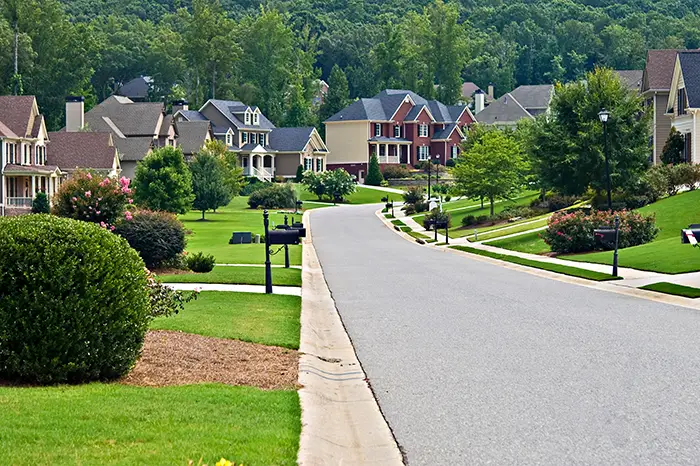
Are you planning a landscape improvement on your Houston suburban property and assuming that because you own the home you have the right to make whatever outdoor changes you want — or have you already received an HOA violation notice for a landscape modification you did not realize required approval before you made it? Houston's master-planned communities — the carefully governed residential developments in Katy, Sugar Land, Pearland, League City, The Woodlands, and dozens of similar communities across the Houston metro — give homeowners the neighborhood quality and maintained community standards that attract buyers to these communities in the first place through the same HOA governance that restricts what individual homeowners can do with their properties without prior approval.
The relationship between HOA landscape rules and homeowner improvement plans is one of the most consistent sources of frustration in Houston's suburban residential market — not because the rules are unreasonable but because most homeowners do not know what the rules are until they have already violated them. The fence that was installed without HOA approval and needs to be removed. The front yard landscape renovation that used non-approved plant materials and requires replacement. The concrete patio extension that exceeded the approved impervious cover percentage and creates the compliance issue that the property sale later surfaces. These are the HOA compliance problems that understanding the rules before starting work prevents rather than the complications that discovering them after the fact creates.
At Gulf Reserve Landscape & Pools, HOA compliance management is a standard component of our project planning process for Houston suburban clients — because the approval process that HOA communities require is most efficiently navigated before design is finalized rather than after work is completed. Here is what Houston suburban homeowners need to know about HOA landscaping rules before starting any outdoor improvement project.
The Diversity of Houston Suburban HOA Landscape Standards
The most important thing to understand about HOA landscape rules in Houston's suburban market is that they are not uniform — the rules that apply in First Colony in Sugar Land are not the same as the rules in Cinco Ranch in Katy, which are not the same as the rules in Shadow Creek Ranch in Pearland, which are not the same as the rules in any of the dozens of other Houston master-planned communities. Each community's rules are defined by its specific CC&Rs — the Declaration of Covenants, Conditions, and Restrictions that governs the community — and by the Architectural Guidelines that the HOA has adopted to implement and supplement the CC&Rs.
What the CC&Rs establish for Houston master-planned community landscape standards typically includes the foundational rules that define what kinds of improvements are permissible, what setback requirements apply, what the architectural review process is, and what the consequences of non-compliance are. CC&Rs in Houston master-planned communities typically require that exterior modifications — including landscape improvements — be approved by the HOA's Architectural Review Committee before they are made. The CC&Rs establish the framework; the Architectural Guidelines provide the specific standards.
What the Architectural Guidelines establish for Houston community landscape standards is the detailed specification of what is and is not acceptable — the specific fence heights, materials, and styles that are permitted; the plant species that are approved or prohibited; the impervious cover percentages that limit hardscape additions; the maintenance standards that define what constitutes a violation; and the submission requirements for improvement applications. These guidelines are typically more specific and more frequently updated than the CC&Rs — and they are the document that most directly affects the specific landscape improvement decisions that Houston suburban homeowners make.
The variation between Houston suburban communities reflects the different community identities and developer visions that each master-planned community was built around. The Woodlands' guidelines reflect the community's ecological forest preservation identity — with strong tree preservation requirements, native planting encouragement, and impervious cover limitations that protect the community's drainage performance. Sugar Land's First Colony guidelines reflect a more formal traditional residential community aesthetic — with specific fence material and height requirements, front yard landscape maintenance standards, and hardscape material guidelines that reflect the community's established character. Katy's Cinco Ranch guidelines reflect the newer suburban community standard — with specific landscape maintenance requirements, seasonal color program expectations, and hardscape approval processes that have evolved as the community has matured.
Common HOA Landscape Rules in Houston Suburban Communities
While every Houston community's rules are specific to that community, several categories of landscape rules appear consistently across Houston's master-planned communities — understanding these common categories helps homeowners know what to check before planning any outdoor improvement.
Front yard maintenance standards are the most consistently enforced HOA landscape rules in Houston suburban communities — and the category that generates the most violation notices. Front yard maintenance standards in Houston master-planned communities typically specify mowing frequency requirements, lawn height maximums, weed control standards, and the overgrown or dead plant standards that define when maintenance has fallen below the community's minimum acceptable level. Houston homeowners who receive front yard maintenance violation notices are almost always receiving them because the lawn, ornamental beds, or landscape plantings have declined below the maintenance standard that the Architectural Guidelines define — the standard that every property in the community is required to maintain regardless of whether the homeowner considers their current condition acceptable.
Fence rules in Houston master-planned communities are among the most commonly researched and most frequently violated HOA rules — because fence installation feels like a private property decision to most homeowners but is visible from the street and from neighbors' properties in ways that make it a community standards issue. Houston suburban HOA fence rules typically specify the maximum fence height — typically 6 feet for rear and side yard fences and lower for front yard fences or areas within street setbacks — the permitted fence materials and styles, and the requirement for HOA approval before installation begins. The fence that was installed in an approved style but without the required HOA approval creates the retroactive approval issue that is more difficult to resolve than the pre-approval process would have been.
Impervious cover limitations in Houston master-planned communities — the restrictions on the total percentage of the lot that can be covered with concrete, stone, and other impervious surfaces — directly affect hardscape addition projects and are the HOA rule that most consistently surprises Houston homeowners planning patio expansions, driveway extensions, and additional outdoor hardscape. Houston suburban community impervious cover limits typically range from 40 to 60 percent of the lot area — limits that many established Houston suburban lots with existing driveways, patios, and sidewalks are approaching or at before any additions are made. Calculating the existing impervious cover percentage before planning any hardscape addition confirms whether the addition is permissible within the community's limits or whether the addition would exceed them and require the variance or alternative approach that the HOA's review process would need to address.
Plant species and landscape design standards in Houston master-planned communities vary from the highly prescriptive — communities with approved plant lists that limit what species can be used in front yards — to the broadly permissive — communities that simply require that front yard landscaping be maintained in good condition. The Woodlands' preference for native and naturalistic planting is reflected in its Architectural Guidelines. Some Houston suburban communities prohibit specific species that have been problematic in the community's context — Bradford pears, certain invasive species, or plants with specific growth habits that create neighbor conflicts. Confirming what the specific community's plant restrictions are before specifying a planting palette prevents the approval denial that non-approved species trigger.
Outdoor structure rules — the requirements that govern pergolas, covered patios, shade sails, and other outdoor structures — typically require HOA approval for permanent structures and specify the materials, colors, and design character that are consistent with the community's architectural standards. Houston suburban community outdoor structure rules reflect the community's architectural vocabulary — wood pergolas in stained natural colors may be appropriate in some communities while powder-coated aluminum structures are required in others. Confirming the specific community's outdoor structure requirements before design decisions are made prevents the redesign that approval denial after design completion creates.
The HOA Approval Process — What Houston Homeowners Need to Know
Navigating the HOA approval process for Houston landscape improvements correctly — submitting complete applications, managing review timelines, and responding to committee conditions — is the project management work that prevents the approval delays that incomplete or incorrect submissions create.
Finding the right documents before starting the approval process — locating the current version of the community's CC&Rs and Architectural Guidelines — is the first step that most Houston suburban homeowners skip, going directly to the application process without reading the governing documents that define what is approvable. Current versions of most Houston suburban community CC&Rs and Architectural Guidelines are available through the HOA management company that manages the community — typically available online through the HOA's community portal or by direct request to the management company. Reading these documents before planning the improvement confirms what the community allows, what requires approval, and what the submission requirements are.
Preparing a complete submission — the application form, site plan, material specifications, and any additional documentation the community requires — is the step that most determines how quickly the HOA review committee can act on the application. Incomplete submissions — applications that are missing the site plan, that describe the proposed improvement without specifying materials, or that do not address all of the review criteria the committee is required to evaluate — are returned for supplementation rather than approved on the initial submission. The additional review cycle that incomplete submissions require adds 30 to 45 days to the approval timeline — a delay that the additional time required to prepare a complete submission initially would have prevented.
Understanding conditional approvals — the committee decisions that approve the proposed improvement subject to specific modifications or conditions — is the project management step that converts the conditional approval into a completed approval before construction begins. HOA architectural review committees frequently approve applications with conditions — the fence is approved but must use a specific wood species and stain color, the patio is approved but must include a drainage modification that routes runoff away from the property boundary, the pergola is approved but must be set back an additional 2 feet from the property line. Understanding these conditions and confirming that the construction documents reflect them before work begins prevents the compliance issue that constructing the improvement without incorporating the conditions creates.
What Happens When Houston Homeowners Skip the HOA Process
Understanding the consequences of proceeding without required HOA approval — the enforcement actions that HOA boards and management companies take when non-compliant work is discovered — motivates the pre-construction approval process that prevents these consequences.
Violation notices and fines are the initial enforcement response to non-compliant landscape improvements in Houston master-planned communities — the formal notice that the improvement violates the community's standards and the fine schedule that the CC&Rs authorize the HOA to impose for continuing violations. Houston HOA fine schedules for landscape violations typically start at 25 to 50 dollars per violation per day — accumulating daily until the violation is corrected. The fence that was installed without approval and that the HOA has noticed generates daily fines that accumulate while the retroactive approval or removal process is navigated.
Required removal or modification is the enforcement consequence for improvements that cannot be retroactively approved — the HOA's demand that the non-compliant improvement be removed or modified to achieve compliance. Houston homeowners who have invested 10,000 to 30,000 dollars in landscape improvements that the HOA then requires to be removed or significantly modified face both the cost of removal or modification and the loss of the installation investment that the non-approved work represented. The hardscape addition that exceeded the community's impervious cover limit, the fence that was installed in a prohibited material, and the outdoor structure that was built in a prohibited location are improvements that retroactive approval cannot remedy when they exceed what the community's standards permit.
Property sale complications from non-approved Houston landscape improvements are the consequence that surfaces most unexpectedly — typically during the title search or HOA estoppel certificate process that property sales trigger. Title companies and buyers' agents routinely request HOA estoppel certificates that confirm the selling property's compliance status — and non-compliant landscape improvements that were made during the seller's ownership appear on these certificates as open violations that the sale cannot close with unresolved. The negotiation over who pays for the remediation of non-compliant landscape improvements at a Houston property sale is a conversation that the pre-construction approval process that prevented the non-compliance would have made unnecessary.

Not sure what your Houston master-planned community's HOA requires before you can proceed with the landscape improvement you are planning? Gulf Reserve Landscape & Pools reviews the applicable community standards before designing any Houston suburban landscape project — confirming what requires approval, preparing the submission documentation, and managing the HOA review process as part of the project planning rather than as a separate step that delays the project.
Get your free estimate at gulfreservelandscaping.com


