




Chinch Bugs, Grubs, and Fungus in Houston Lawns — How to Identify What Is Killing Your Grass Before It Is Too Late
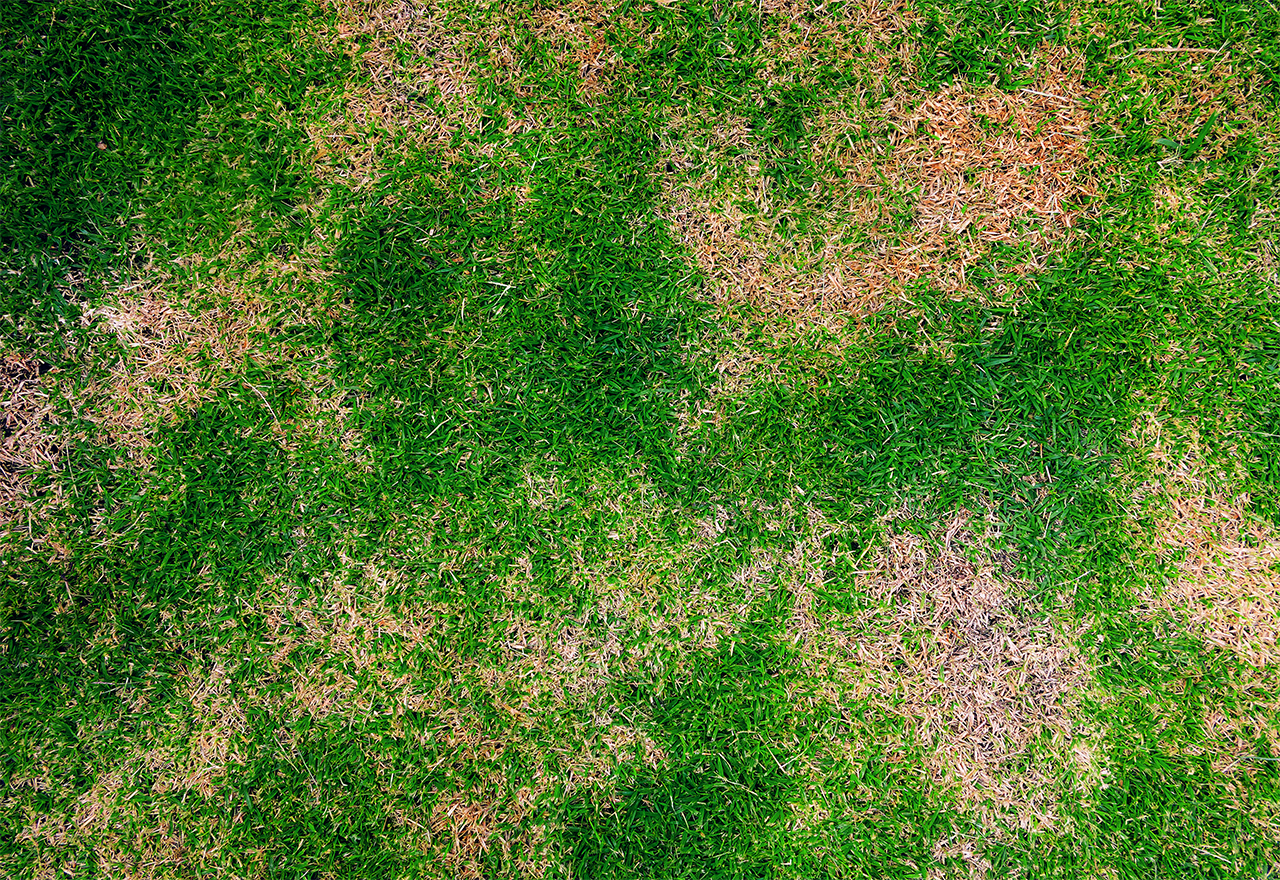
Is your Houston lawn developing expanding patches of dead or dying grass that you have been treating as drought stress, fertilization problems, or irrigation failures without improvement — and are you wondering whether something else might be causing the damage that the standard interventions have not addressed? Houston lawns face three primary biological threats that produce the visible damage patterns that homeowners most commonly misdiagnose: chinch bugs in summer, white grubs in fall, and fungal diseases through Houston's warm, humid growing season. Getting the diagnosis right before beginning treatment is the difference between the intervention that stops the damage and the intervention that wastes money while the actual cause continues expanding the damaged area.
Houston's Gulf Coast conditions create the specific environment that makes each of these biological threats more consequential here than in other residential lawn markets. The heat and humidity that chinch bug populations exploit to expand rapidly through Houston's summer. The soil moisture conditions that favor grub feeding and fungal disease development in Houston's clay-dominant lawns. And the extended growing season that gives both pests and diseases more time to cause damage before the cool temperatures that interrupt their activity arrive.
At Gulf Reserve Landscape & Pools, pest and disease diagnosis is part of every sod assessment we conduct on Houston properties where previous lawn installations have failed or where the current lawn is showing the damage patterns that biological threats produce. Here is how to identify what is killing your Houston lawn and what to do about it.
Chinch Bugs — Houston's Most Damaging Summer Lawn Pest
Chinch bugs are the single most destructive lawn pest that Houston St. Augustine lawns face — the insect that produces more sod replacement and lawn renovation on Houston residential properties than any other biological threat. Understanding chinch bug biology, damage patterns, and the diagnostic approach that confirms their presence distinguishes the effective intervention from the drought stress misdiagnosis that most Houston homeowners make when chinch bug damage first appears.
Chinch bug biology in Houston reflects the specific life cycle characteristics that make these insects particularly damaging in Gulf Coast conditions. The southern chinch bug that affects Houston St. Augustine produces multiple generations per year in Houston's warm climate rather than the single or double generation that cooler markets experience. Houston's warm temperatures allow chinch bug populations to remain active and feeding from April through October in most years — the extended activity period that produces the cumulative damage that shorter-season northern markets do not experience at the same intensity.
Adult chinch bugs are small — approximately 1/5 inch in length — with black bodies and white wings that fold flat against the body. Nymphs progress through five instars from bright red with a white band to orange-brown before reaching the black adult form. Both adults and nymphs feed by piercing grass blades and extracting plant fluids while injecting a toxin that disrupts the grass plant's water transport system — producing the yellowing, browning, and death that the toxin causes in the tissues above the feeding site rather than simple physical damage from the feeding extraction alone.
Damage patterns from chinch bugs in Houston St. Augustine follow the specific visual pattern that the toxin injection produces in the affected grass. Chinch bug damage begins as irregular yellowing patches in the hottest, most exposed areas of the Houston lawn — the south and west-facing areas, the areas along sidewalks and driveways that receive reflected heat, and the areas where thatch accumulation creates the hot, dry microenvironment that chinch bugs prefer. The yellowing progresses to brown dead grass as the toxin-affected tissue dies, and the damaged patch expands outward from the initial infestation point as the population grows and spreads into adjacent healthy grass.
The critical misdiagnosis is drought stress. Chinch bug damage in Houston produces yellowing and browning in the same sun-exposed locations that drought stress affects, at the same time of year that drought stress is most common, and with the same visual progression from yellow to brown that moisture deprivation creates. Houston homeowners who increase irrigation in response to chinch bug damage are applying more water to grass that is dying from a toxin injection rather than from lack of moisture — the additional irrigation does not slow the damage progression and may actually create the soil surface moisture conditions that favor chinch bug survival.
The coffee can flotation test is the diagnostic tool that confirms or rules out chinch bug presence before treatment decisions are made. Removing both ends from a standard coffee can, pressing it into the soil at the edge of the damaged area where healthy and damaged grass meet, filling the can with water, and observing the water surface for 2 to 3 minutes reveals chinch bugs floating to the surface if they are present at the location. Chinch bugs and their nymphs are present in the thatch layer and on the soil surface around the grass plants they are feeding on — the flotation that water creates in the confined can brings them to the visible surface where counting confirms whether population levels exceed the treatment threshold.
Treatment for Houston chinch bug infestations uses the specific insecticide classes that are labeled for chinch bug control in St. Augustine lawns and that provide adequate residual protection through Houston's extended chinch bug season. Bifenthrin and permethrin products in granular form provide the contact kill and soil residual that chinch bug control requires when applied at label rates and watered in adequately to move the active ingredient into the thatch layer where chinch bugs live. Applications timed for the early infestation detection that monitoring provides — treating when populations are building rather than after damage is extensive — produce better control outcomes at lower total insecticide use than reactive applications after large-scale damage is established.
The proactive monitoring program that Blog 57 establishes as the correct commercial maintenance standard — every two weeks from May through September in Houston St. Augustine — applies equally to residential Houston lawns where the early detection that monitoring provides prevents the large-scale damage that populations allowed to develop undetected produce.
White Grubs — Houston's Fall and Spring Lawn Pest
White grubs — the larval stage of several beetle species including the June beetle, the masked chafer, and the Japanese beetle that are present in Houston's residential landscape — are the secondary lawn pest that Houston homeowners encounter most frequently after chinch bugs. Grub damage in Houston follows a seasonal pattern that distinguishes it from chinch bug damage and that makes the fall the primary treatment window on Houston properties where grub populations exceed the damage threshold.
White grub biology in Houston reflects the one-year life cycle that most grub species complete in Houston's climate. Adult beetles emerge from the soil in late spring, feed on foliage, and lay eggs in the soil during late spring and early summer. Eggs hatch in summer, and the young larvae feed on grass roots near the soil surface through fall before moving deeper in the soil profile for winter before returning to the surface feeding zone in spring. The fall feeding period is the window when grub populations are most damaging and most accessible to the soil insecticide treatments that provide control.
Damage patterns from white grubs in Houston lawns reflect the root feeding that the larvae perform rather than the above-ground toxin injection that chinch bugs produce. Grub-damaged Houston lawn areas show the wilting, yellowing, and eventual browning that root system destruction produces — the grass that cannot access water and nutrients because its root system has been consumed by the feeding grubs in the soil below. The diagnostic indicator that distinguishes grub damage from drought stress and chinch bug damage is the spongy, lifting turf that grub-damaged areas produce. Houston lawn grass that has lost its root system to grub feeding can be pulled back like a carpet from the soil surface — the disconnection from the soil that root destruction creates is the physical diagnostic that confirms grub damage.
Grub population assessment by excavating a 12 by 12 inch, 3-inch deep soil sample at multiple locations in the suspected damage area and counting the white C-shaped larvae present in each sample provides the population density data that treatment threshold decisions require. Houston St. Augustine treatment is warranted when grub populations exceed 5 to 8 grubs per square foot — the density at which root feeding damage becomes economically significant. Lower populations on Houston properties with healthy, actively growing turf may not warrant treatment even though grubs are present, because healthy grass can tolerate some root feeding without developing visible damage.
Treatment for Houston grub infestations uses the soil insecticide products labeled for grub control — chlorantraniliprole, imidacloprid, and trichlorfon products in the appropriate formulations for soil application to established turf. Application timing in late August through September in Houston — when grubs are in the young larval stages nearest the soil surface and most susceptible to contact with soil insecticides — produces better control than spring applications when older, more developed larvae are less susceptible to available products.
Fungal Diseases — Houston's Year-Round Lawn Threat
Fungal diseases in Houston lawns are year-round threats that the combination of warm temperatures and high humidity that Gulf Coast conditions maintain through most of the calendar year enables. Brown patch in fall and winter and take-all root rot in spring are the two fungal diseases that cause the most widespread damage on Houston St. Augustine lawns.
Brown patch is the fungal disease that Houston St. Augustine lawn owners most frequently encounter in fall and early winter — the Rhizoctonia solani infection that Houston's combination of warm soil temperatures and the cooler, wetter conditions of fall creates the ideal environment for. Brown patch in Houston develops when night temperatures drop below 70 degrees Fahrenheit while daytime temperatures remain warm enough to keep the turf actively growing — the temperature differential that creates the plant stress conditions that brown patch exploits.
Brown patch damage in Houston St. Augustine produces the circular to irregular patches of brown, dead-appearing grass that range from a few inches to several feet in diameter — the pattern that the radial spread of the fungus from a central infection point creates in the affected turf. Active brown patch infection often shows the yellow halo — the ring of yellowing grass surrounding the brown center — that indicates actively spreading infection rather than the uniformly brown patches that completed infection produces. The visual diagnostic is the pattern: roughly circular patches that expand outward from a center point rather than the irregular, non-circular patterns that drought stress and mechanical damage create.
Brown patch management in Houston focuses on irrigation timing and fungicide application. Irrigation that wets grass blades during the evening hours creates the foliar moisture that brown patch development requires — the shift to morning-only irrigation during Houston's brown patch season reduces the foliar wetness that evening watering maintains through the overnight hours when brown patch infection most actively progresses. Fungicide applications using the systemic fungicide products labeled for Rhizoctonia management in St. Augustine — propiconazole, azoxystrobin, and similar triazole and strobilurin products — provide preventive and early-intervention protection when applications are timed correctly for Houston's brown patch season.
Take-all root rot is the more serious and more difficult to manage fungal disease that Houston St. Augustine lawns face — the Gaeumannomyces graminis var. graminis infection that attacks the root system rather than the foliage, creating the systemic decline that produces the yellowing, thinning, and eventual death that distinguishes take-all from the foliar diseases that surface treatments control more effectively.
Take-all root rot damage in Houston St. Augustine produces the yellowing and thinning that root system destruction creates — visually similar to drought stress, iron chlorosis, and other conditions that reduce the grass plant's access to water and nutrients. The diagnostic that distinguishes take-all from these other conditions is the root examination: pulling a plug of affected turf and examining the roots reveals the black, rotted root tips and the root mass reduction that take-all root rot produces rather than the intact, white root system that drought-stressed but uninfected grass maintains.
Take-all root rot management in Houston relies on soil pH management — the acidification program that Blog 01 establishes as the foundational soil management practice for Houston lawns reduces the alkaline soil conditions that favor take-all root rot development. Peat moss top-dressing of affected areas in spring — the organic amendment that reduces surface soil pH and provides the acidic environment that suppresses take-all root rot — is the specific management tool that research has validated for take-all control in St. Augustine lawns in the Gulf Coast region. Fungicide options for take-all control are more limited than for brown patch because the root-level infection that take-all produces is less accessible to surface-applied fungicide treatments than the foliar infections that contact fungicides address effectively.
Integrated Pest and Disease Management for Houston Lawns
The most effective approach to pest and disease management on Houston lawns integrates the cultural practices that reduce the conditions favoring pest and disease development with the targeted chemical treatments that populations and infections exceeding the damage threshold require.
Cultural practices that reduce Houston lawn pest and disease pressure include irrigation management that avoids evening watering during brown patch season, mowing height maintenance at the 3.5 to 4 inch standard that keeps Houston St. Augustine dense enough to resist pest colonization and creates the canopy that shades the soil surface from the heat that chinch bugs prefer, thatch management that prevents the excessive thatch accumulation that creates the habitat that chinch bugs exploit, and the soil pH management that reduces take-all root rot's favorable soil conditions.
Monitoring schedules that catch pest and disease issues at the threshold where treatment is effective rather than after large-scale damage is established produce better lawn quality outcomes at lower total chemical use than reactive treatments after significant damage has occurred. The every-two-week chinch bug monitoring from May through September, the fall soil sample grub count, and the weekly observation for brown patch circular patterns beginning when fall temperatures arrive are the monitoring investments that make early detection and targeted treatment possible.

Has your Houston lawn been developing the damage patterns that chinch bugs, grubs, or fungal disease produces without a correct diagnosis and effective treatment? Gulf Reserve Landscape & Pools assesses Houston lawn pest and disease conditions personally before recommending any treatment program, identifying the specific cause of the visible damage from the diagnostic indicators that distinguish between the biological threats that require different management approaches.
Get your free estimate at gulfreservelandscaping.com


