




Best Time to Install Sod in Houston — The Houston-Specific Timing Guide That Makes the Difference Between Fast Establishment and Costly Failure
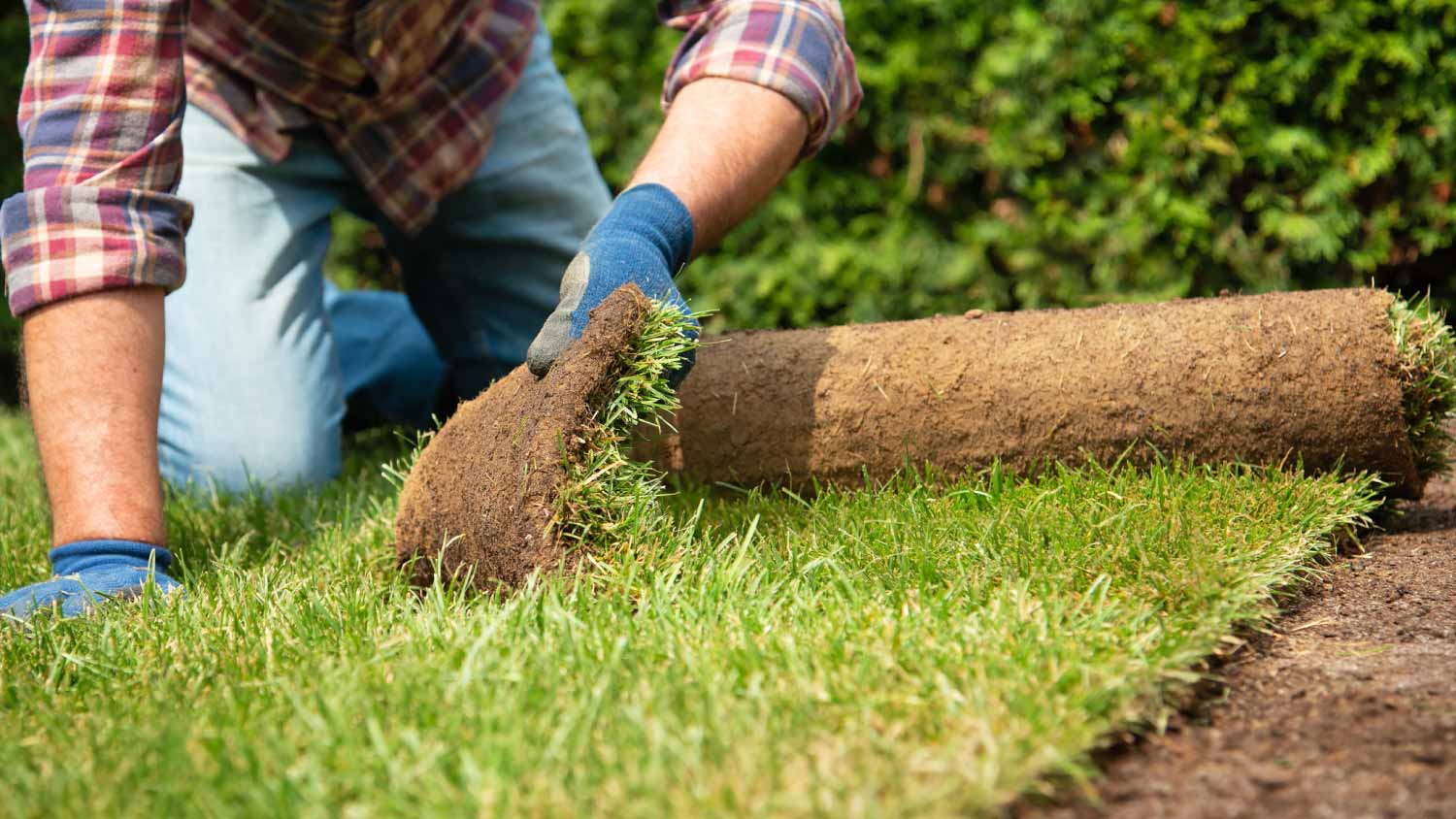
Best Time to Install Sod in Houston — The Houston-Specific Timing Guide That Makes the Difference Between Fast Establishment and Costly Failure
Is there a wrong time to install sod in Houston — and if so, when is it? The honest answer is that Houston's climate allows sod installation across most of the calendar year, but the timing of that installation significantly affects how quickly the sod roots, how intensively it needs to be managed through establishment, and how well it performs through the first full growing season. Getting the timing right on a Houston sod installation is not about finding a narrow window of perfection — it is about understanding how Houston's seasonal conditions affect establishment so the installation is scheduled to work with those conditions rather than against them.
Houston homeowners who search for sod installation timing information often find generic guidance written for national audiences — plant warm-season grass after the last frost, avoid installation during extreme heat — that applies broadly but misses the Houston-specific nuances that make the difference between a straightforward establishment and one that requires intensive management to succeed. Houston's climate is specific enough — the heat, the humidity, the clay soil, the Gulf Coast rainfall pattern, and the mild winters that allow year-round installation — that timing guidance written for Houston's conditions produces meaningfully better results than national averages applied to a Gulf Coast property.
At Gulf Reserve Landscape & Pools, sod installation timing is one of the most common topics we address with Houston homeowners planning new lawn installations or renovations. Here is the Houston-specific sod installation timing guide that reflects what the city's actual climate conditions demand.
Houston's Sod Installation Calendar — Month by Month
Houston's sod installation calendar differs from national timing guidance because Houston's climate creates year-round installation opportunities with specific advantages and challenges at each point in the calendar. Understanding how each month affects establishment helps Houston homeowners time their installation to the conditions that best serve their specific situation.
January and February — possible but slow. Houston's mild winters allow sod installation in January and February without the freeze risk that northern markets face — soil temperatures rarely drop below 45 degrees Fahrenheit in Houston's winter, and warm-season grasses survive the mild cold events Houston experiences without the kill damage that hard freezes produce. The limitation is establishment rate — root growth in warm-season grasses slows significantly below 60 degrees Fahrenheit soil temperature, meaning Houston sod installed in January and February roots slowly. Expect 60 to 90 days to full establishment rather than the 35 to 45 days that warm-season installation produces. The advantage is reduced irrigation demand — Houston's mild, occasionally rainy winter means new sod in January and February requires less intensive irrigation management than summer installations where daily watering is essential for survival.
March and April — Houston's best sod installation window. March and April represent the optimal sod installation timing for Houston properties in most years. Soil temperatures climb through the 60-degree threshold that triggers active root growth during this period, days are lengthening to provide adequate photosynthetic activity, and Houston's spring rainfall frequently supplements irrigation during the establishment period — reducing the irrigation burden that summer installations create. Sod installed in March and April roots to full establishment in 35 to 45 days, enters the summer growing season with a developed root system that handles Houston's peak heat better than summer-installed sod, and benefits from the full growing season ahead to develop the density that makes the lawn look and perform its best.
The spring window does have one consideration — pre-emergent herbicide timing. As established in Blog 09, Houston homeowners who want pre-emergent weed control in the spring need to time its application for late February or early March before sod installation rather than after. Pre-emergent applied after sod installation can interfere with rooting in certain products — confirming the specific product's compatibility with new sod installation timing before application is appropriate practice.
May — good with attention to establishment irrigation. May installations in Houston benefit from warm soil temperatures that produce fast establishment but begin to face the higher evapotranspiration demands that Houston's rising summer temperatures create. May-installed Houston sod requires daily irrigation during the first two weeks — the twice-daily schedule in periods where afternoon temperatures exceed 90 degrees Fahrenheit — and the transition to every-other-day and then established-turf scheduling through weeks three through six needs careful monitoring. May is still a good Houston sod installation month but one that requires more active establishment irrigation management than March and April.
June, July, and August — manageable with proper preparation and commitment. Summer sod installation in Houston is routinely successful when the preparation is correct and the establishment irrigation commitment is genuine. Soil temperatures in the 75 to 85 degree range produce the fastest rooting of any point in the Houston calendar — warm-season grasses root aggressively in Houston's summer soil conditions. The challenge is the high evapotranspiration demand that Houston's peak summer heat creates — new sod installed in July in Houston without twice-daily irrigation during the first week can desiccate to the point of irreversible stress within 48 hours in temperatures exceeding 95 degrees Fahrenheit with afternoon heat index values above 105.
Summer Houston sod installation is not wrong — it is demanding. The homeowner who installs sod in July with a functioning irrigation system programmed for twice-daily establishment watering, who monitors establishment daily and supplements with hand watering where coverage gaps leave dry areas, and who transitions through the establishment schedule correctly produces a lawn that roots successfully in 35 to 45 days and enters fall well-established. The homeowner who installs in July without adequate irrigation infrastructure or without the commitment to monitor and manage the establishment period produces a lawn that fails — and that failure is expensive regardless of the quality of the sod that was installed.
September and October — Houston's second-best installation window. September and October represent Houston's second optimal sod installation window — the fall counterpart to the spring window that takes advantage of the combination of warm soil temperatures that produce good establishment rates and the declining evapotranspiration demand that Houston's cooling fall temperatures create. September installations benefit from soil temperatures that are still in the optimal range for warm-season grass rooting while ambient temperatures begin declining from peak summer heat. October installations see slightly slower rooting as soil temperatures begin declining below 70 degrees but still produce full establishment before the winter dormancy period arrives — giving fall-installed Houston sod the cool season to continue root development below grade while top growth slows.
Fall-installed Houston sod has one advantage over spring-installed sod that is often overlooked — it has the mild winter ahead for continued sub-surface root development before it faces the stress of Houston's first post-installation summer. Houston sod installed in October that reaches the establishment threshold before December continues developing root depth through the mild winter months, entering spring with a root system that is deeper and more extensive than spring-installed sod at the same age.
November and December — possible with extended establishment expectations. November and December installations in Houston follow the same logic as January and February — soil temperatures are declining toward the slower-rooting range that extends establishment timelines, irrigation demands are low, and freeze risk is minimal in most Houston winters. November installations typically reach full establishment in 60 to 75 days. December installations may take 75 to 90 days. The risk in December installations is the occasional hard freeze that Houston experiences — sod that has not yet rooted adequately to the underlying soil is more vulnerable to freeze damage than established turf. In most Houston years, December sod installation is successful. In years where a hard freeze arrives before establishment is complete, there is risk of sod loss that the homeowner should factor into the timing decision.
How Sod Variety Affects Timing Decisions in Houston
The sod variety being installed affects the timing considerations for Houston sod installation in ways that generic timing guidance does not capture.
St. Augustine — Houston's most widely installed sod variety — is the most forgiving of timing across Houston's installation calendar. Its aggressive stolon spread and relatively fast establishment rate make it the variety that succeeds most reliably across a wide range of Houston installation timing. Floratam St. Augustine — the most common variety — has the fastest establishment rate but the highest establishment irrigation demand in Houston's summer heat conditions. Palmetto and Raleigh varieties establish somewhat more slowly but with better cold tolerance that makes them appropriate choices for late fall and early spring Houston installations where mild freeze events are possible during the establishment period.
Bermuda shares St. Augustine's timing flexibility in Houston but with one specific advantage — its deeper root system development means it establishes the water independence that reduces irrigation demand faster than St. Augustine in similar conditions. Bermuda installed in Houston's spring window can be transitioned to every-other-day irrigation earlier in the establishment period than St. Augustine in the same conditions — a meaningful advantage for Houston homeowners managing establishment irrigation on large lot sizes.
Zoysia — Houston's premium sod variety — is most appropriately installed in Houston's spring window because its slower establishment rate means it benefits most from the full growing season ahead that spring installation provides. Zoysia installed in Houston's fall window establishes adequately but enters winter with less root development than spring-installed Zoysia at the same calendar point — and the full establishment that makes Zoysia exceptional takes longer to achieve when the installation timing does not maximize the warm-season establishment period ahead of it.
Timing Sod Installation Around Houston's Other Landscape Work
Houston homeowners planning sod installation as part of a broader landscape improvement program — where sod is one component of a drainage correction, soil amendment, hardscape installation, and irrigation program — need to sequence the sod installation correctly relative to the other components for both installation efficiency and establishment success.
After drainage corrections are complete — the French drains, grading corrections, and downspout management that address the drainage problems that would undermine new sod establishment. As established in Blog 26, sod installed over unresolved drainage problems in Houston's clay soil develops the standing water and root zone saturation conditions that compromise establishment regardless of how correctly every other aspect of the installation is executed.
After hardscape installation is complete — the concrete, stone, and paver work that establishes the final grade relationships the sod surface needs to match. Hardscape installation after sod establishment disturbs the new lawn and requires sod repair over disturbed areas. Hardscape before sod avoids this sequencing problem entirely.
After irrigation system installation or correction is confirmed as operational — the timing that ensures the establishment irrigation program the new sod requires is ready to run from the first day of installation rather than being commissioned after the sod is already installed and potentially stressed.
Before ornamental planting in adjacent bed areas — the sequence that protects newly installed sod from the foot traffic and soil disturbance that ornamental planting adjacent to sod areas creates when that planting happens after sod establishment rather than before.
The Houston Sod Installation Timing Decision in Practice
For Houston homeowners trying to decide when to schedule their sod installation, the practical timing decision framework is straightforward.
If the installation can be scheduled for March through May or September through October — Houston's two optimal windows — those timing slots produce the best combination of establishment rate, irrigation management demands, and first-season performance. Schedule within these windows when possible.
If the installation needs to happen outside these windows — because the project scope requires it, because the homeowner's availability requires it, or because the property's needs require immediate attention — summer and mild winter installations are achievable with appropriate management. Summer installations require the irrigation infrastructure and establishment commitment that Houston's heat demands. Mild winter installations require the extended establishment timeline expectations that Houston's cooler soil temperatures produce.
The timing decision that most consistently produces disappointing results in Houston is the combination of summer installation timing with inadequate irrigation infrastructure or insufficient establishment management commitment — not because summer installation is wrong in Houston but because the demands it creates are real and consequential when they are not met.

Not sure when the right time is to install sod on your Houston property? Gulf Reserve Landscape & Pools assesses every Houston property personally — evaluating soil conditions, drainage, and irrigation readiness before recommending installation timing — so the sod we install is timed for the conditions that give it the best chance to establish correctly and perform long-term.
Get your free estimate at gulfreservelandscaping.com


